I recently had the pleasure of capturing portraits for the Royal Society Te Apārangi, showcasing more clever individuals in the field of science—a job I really enjoy. On this occasion, my focus was on photographing the recipients of the MBIE Science Whitinga Fellowships- aimed at assisting early career researchers.
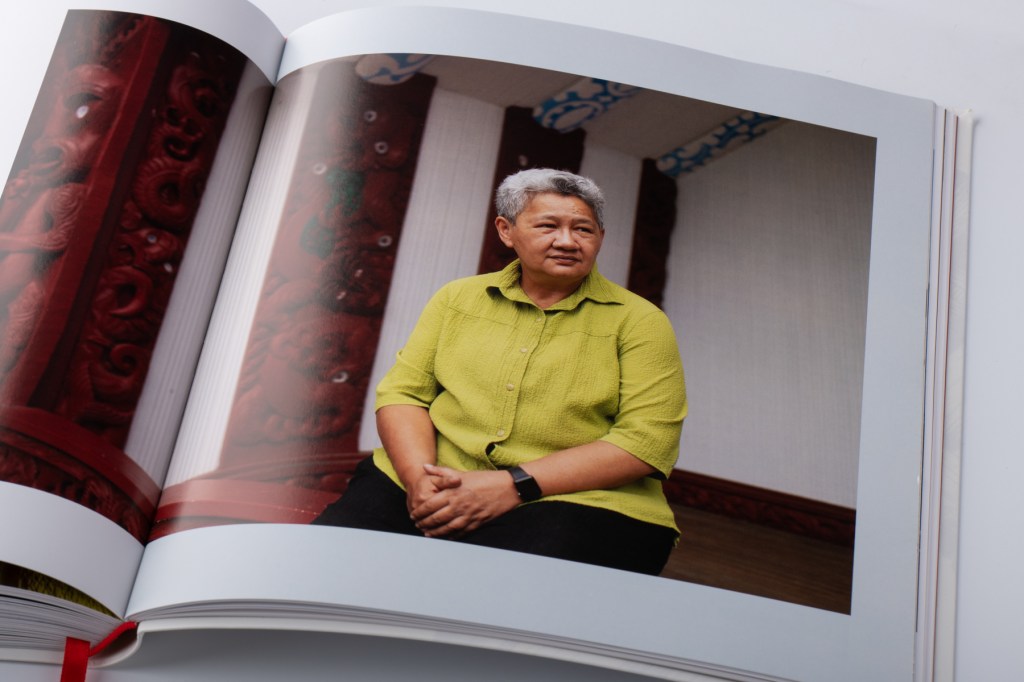
First up I headed to Waikato to photograph two of the recipients, Dr Paul Brown and Dr Mahroni Owen.
Dr. Owen’s research revolves around the development of a mind-controlled machine—an innovative prosthetic hand that has the potential to significantly enhance the lives of individuals grappling with nervous disorders or amputations. Mahroni says that ‘ Māori and Pasifika are overrepresented in nervous system disorders and diabetes, which leads to lower limb amputation, and I specifically look within my own iwi and te ao Māori for opportunities to help.’


Dr Paul Browns research is based around statistical modelling.
“My Whitinga research is a space time model of certain crimes that are related to one another. With residential burglaries, for instance, there’s a lot of literature on what’s called the ‘near repeat victimisation phenomenon’. Basically, if one place gets hit in a burglary, it’s likely that it will soon be hit again, or surrounding houses and neighbourhoods will be.
These kind of models are used overseas, but can lead to problems with over surveillance of certain communities. I hope that the models we’re developing here can avoid the perpetuation of systemic biases, and are used for insights into crime patterns and developing different policing strategies that are more positive in the community”.
.


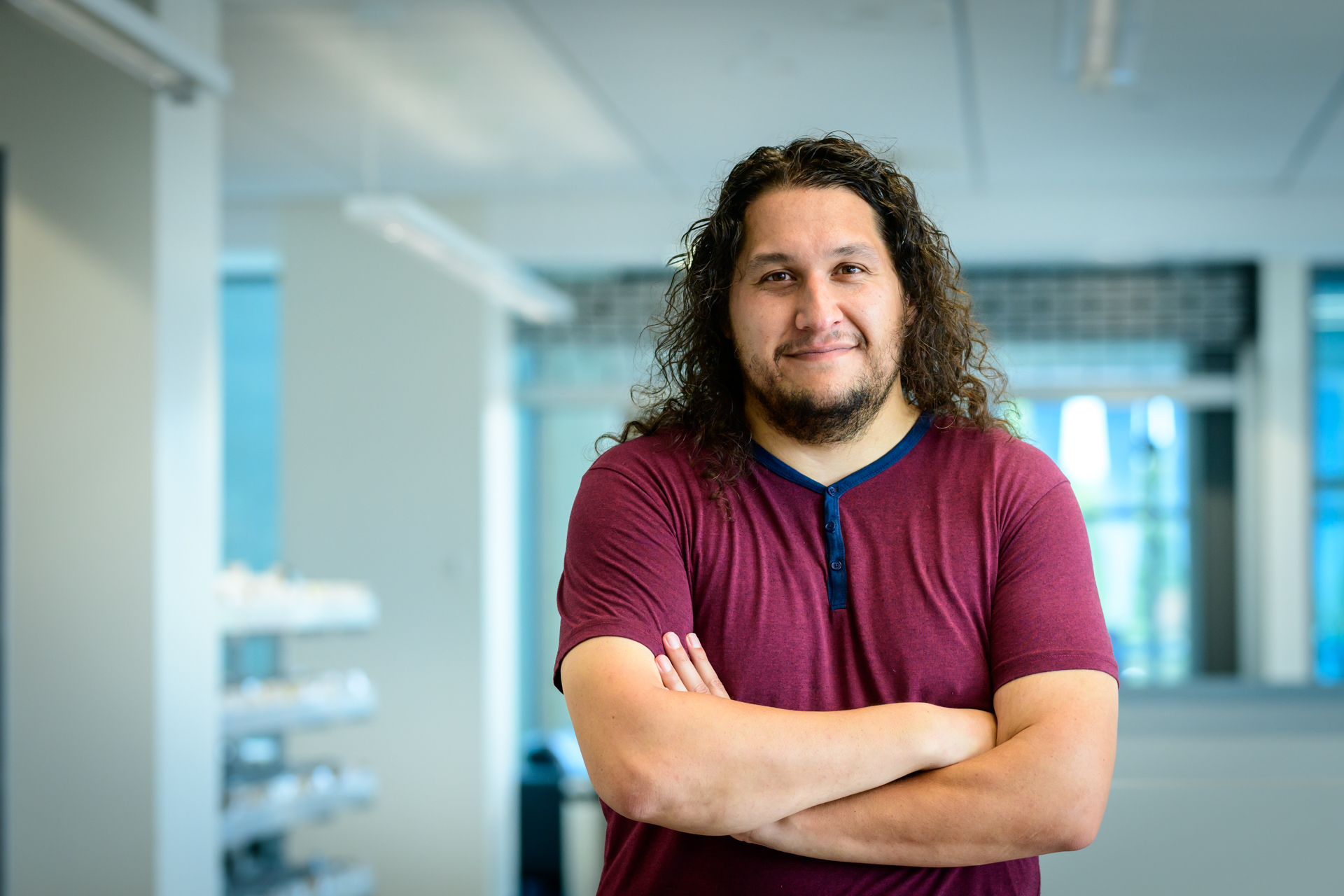
Next it was down to the Nelson region to photograph Dr Rebecca Campbell. Her research is about plant disease, particularly European canker in apple, Myrtle rust in Myrtaceae plants, and Xylella fastidiosa.
“My particular focus is the spread of the disease in a spatial area, combining fieldwork, lab work and modelling. You get a lot of understanding from following the process from the ground up – from data collection, to validating and building the models.

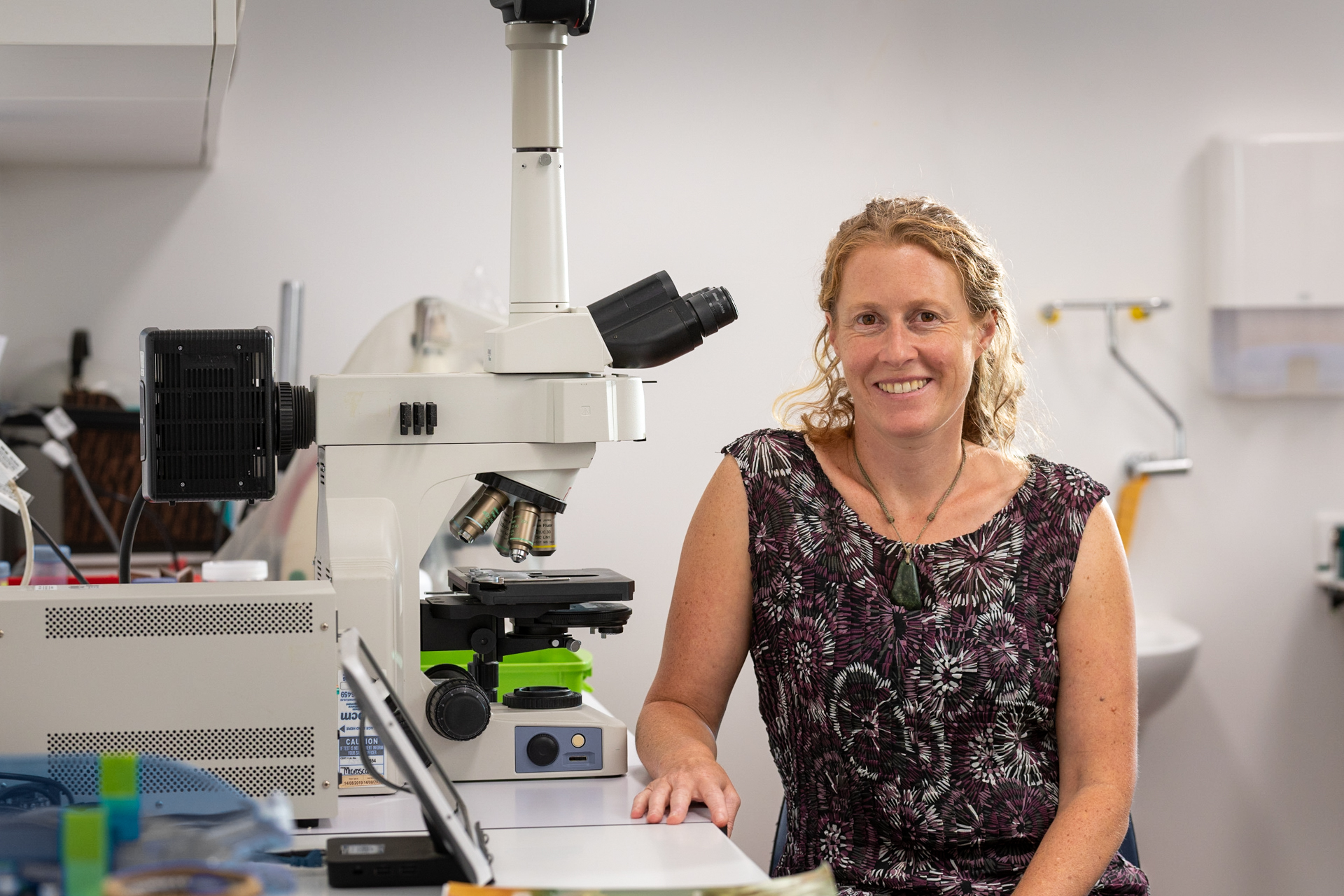

And lastly back to Wellington to photograph political scientist Dr Sam Crawley.
Here’s his take on his research project….’My research looks at whether people think climate change is more or less important relative to other things. So, whether issues like health care, education (for people with children), the economy, job security, and the cost of living are more immediate to people than climate change, and what this might mean when it’s time to vote.’





 Maiden Voyage