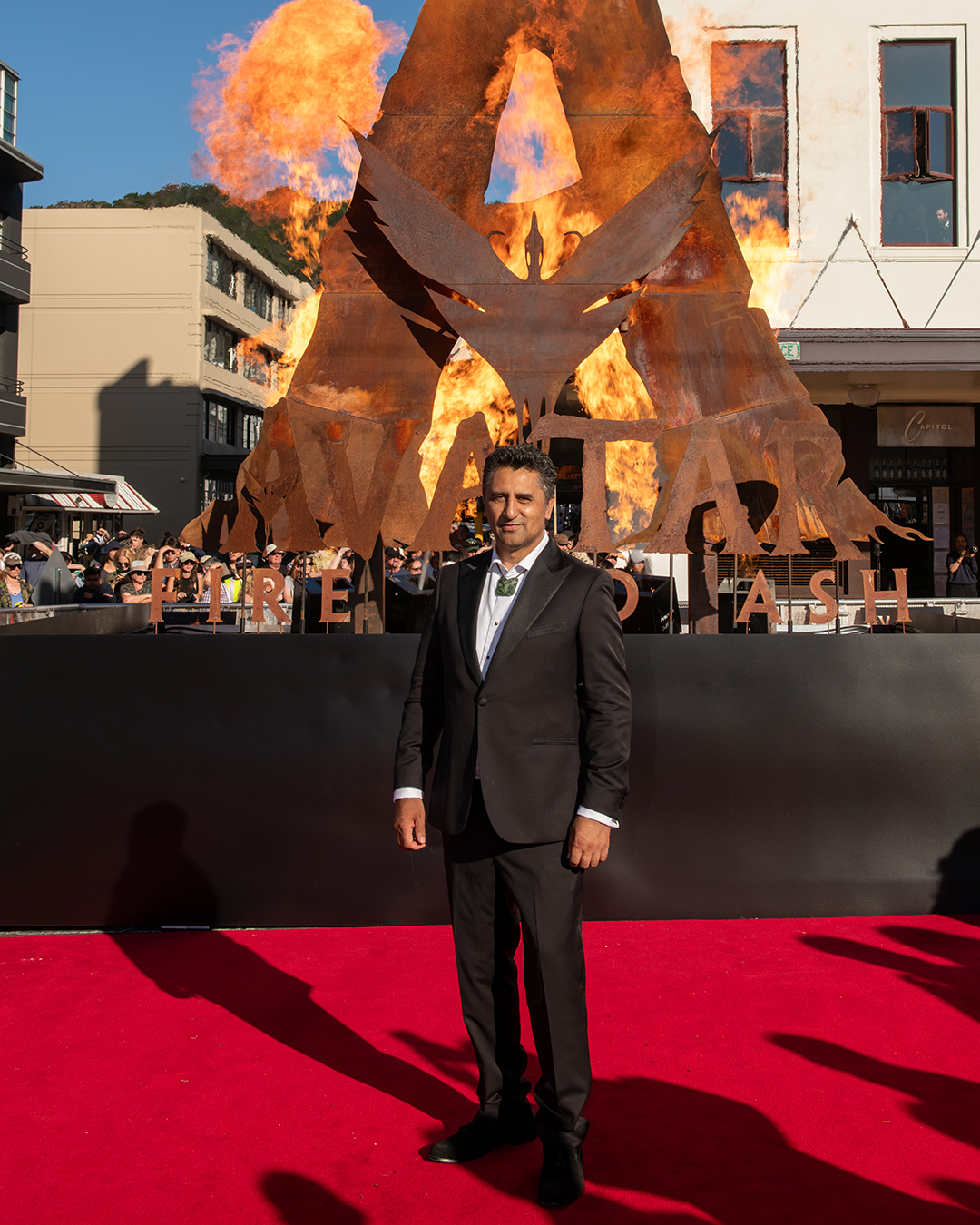
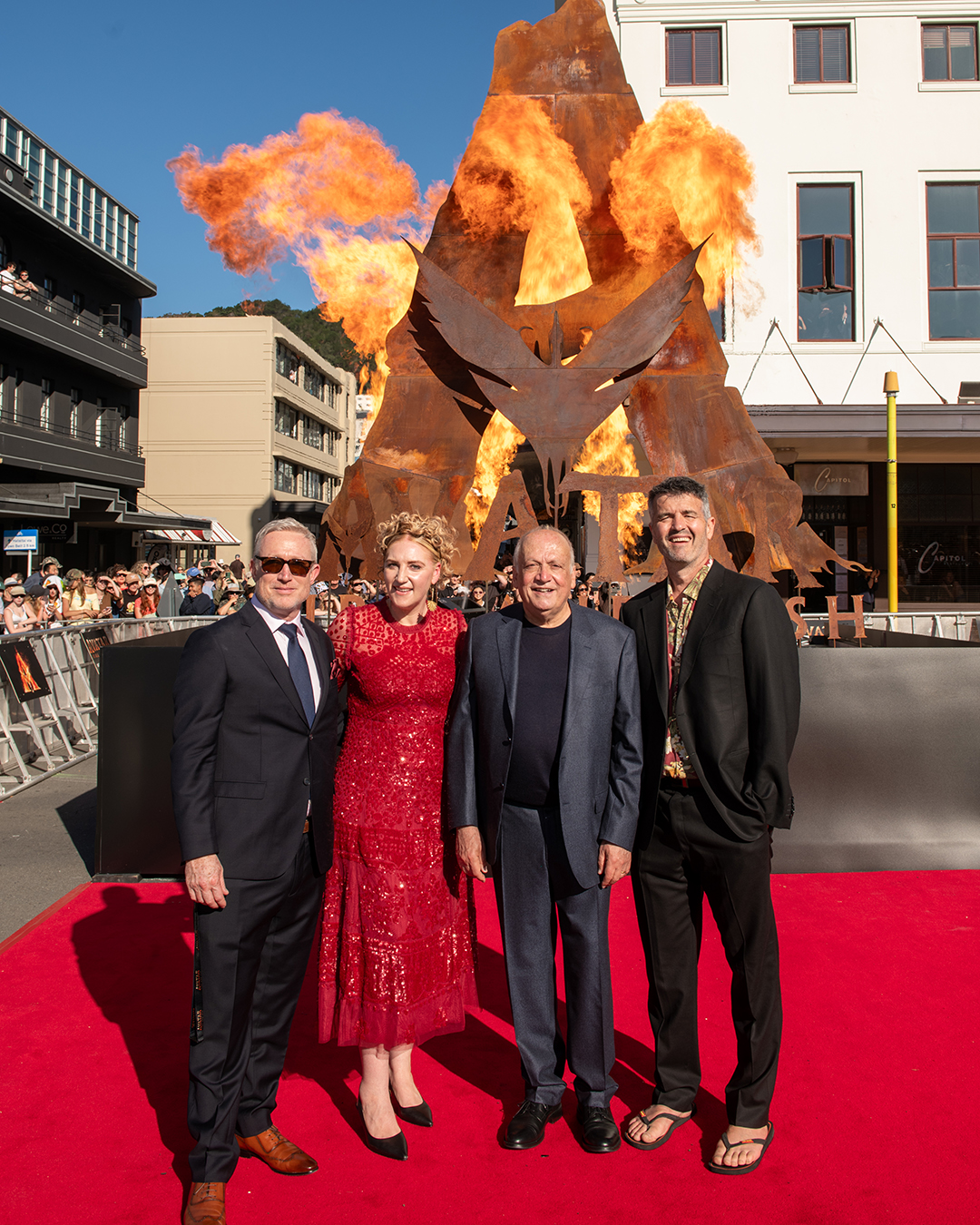
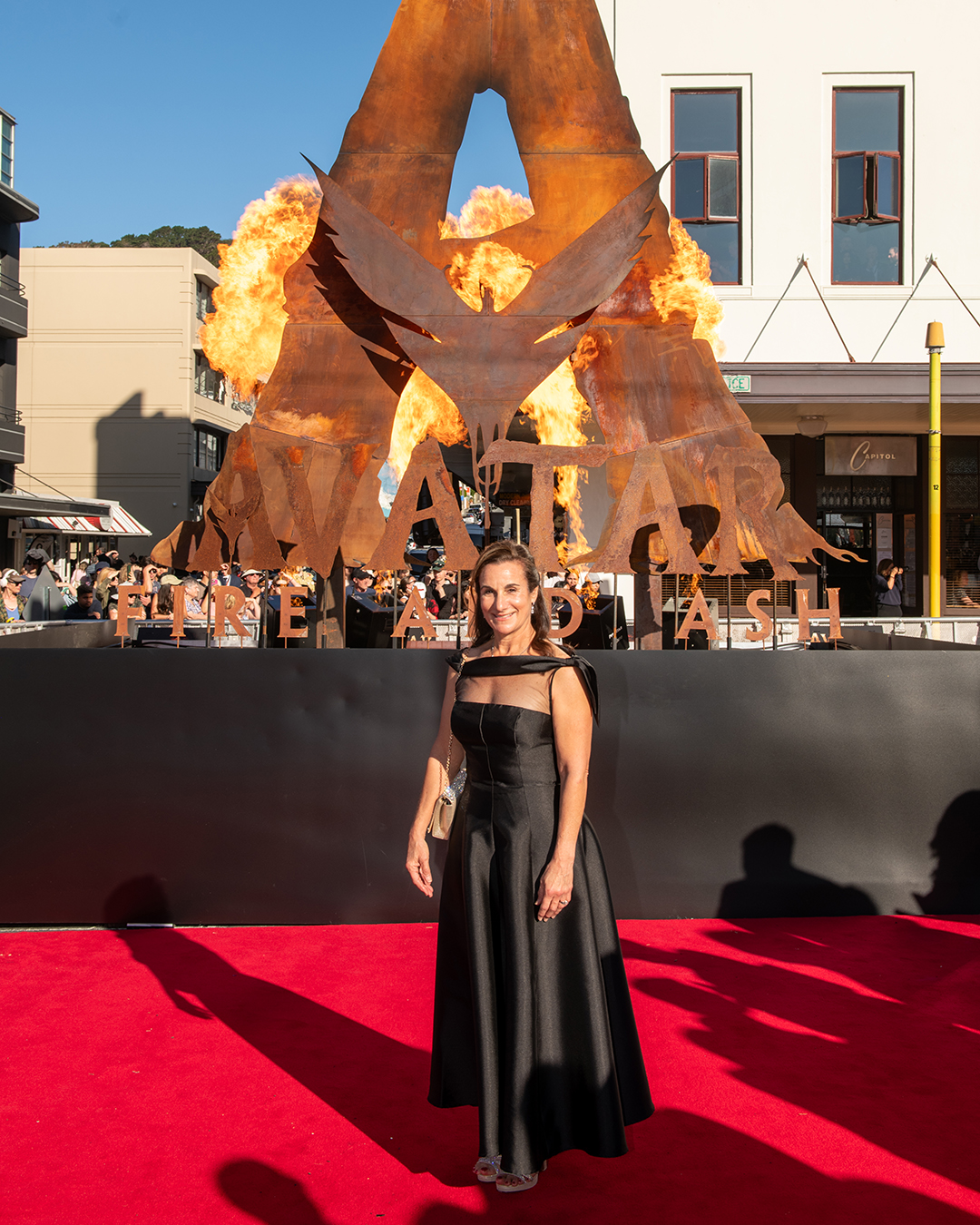
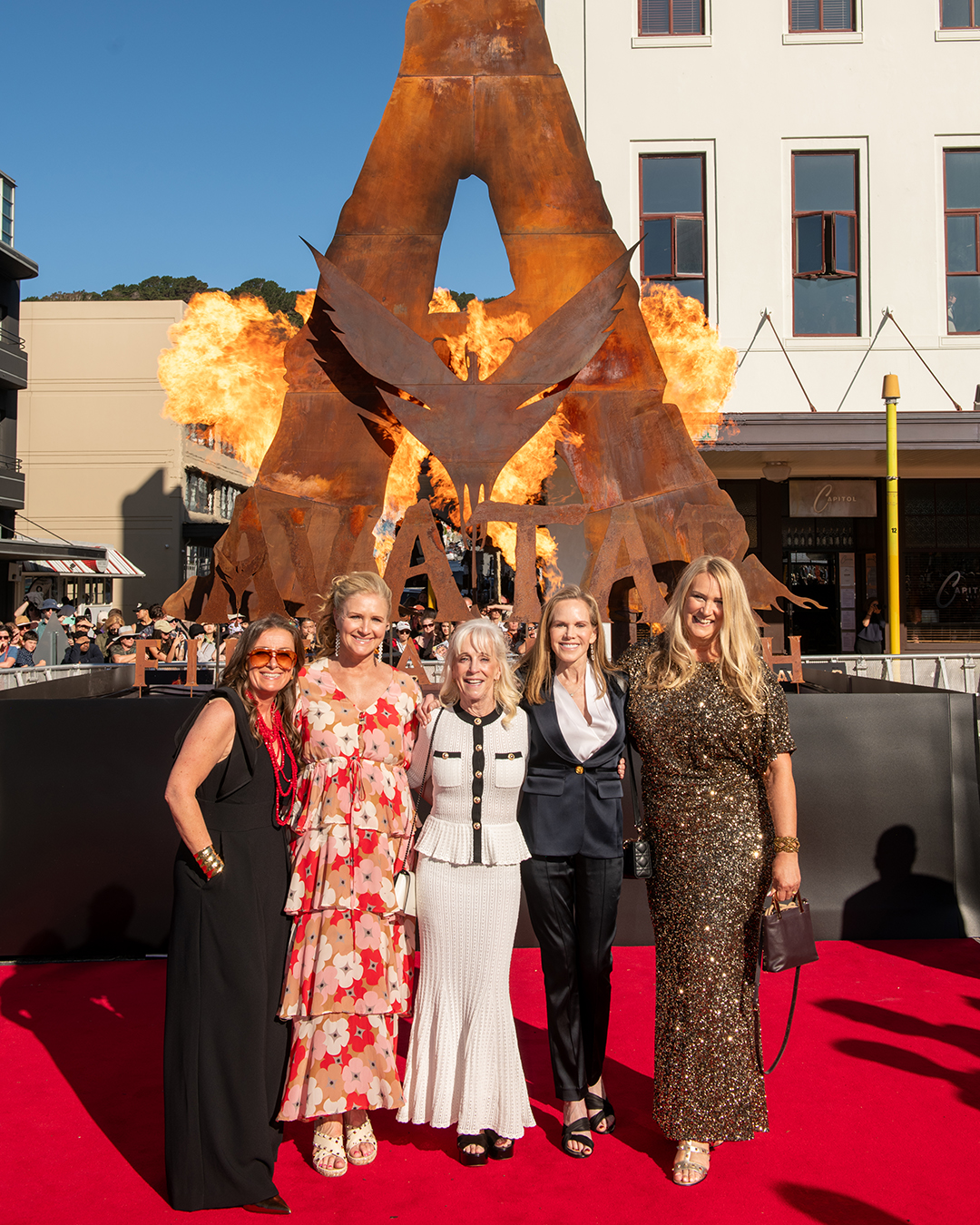
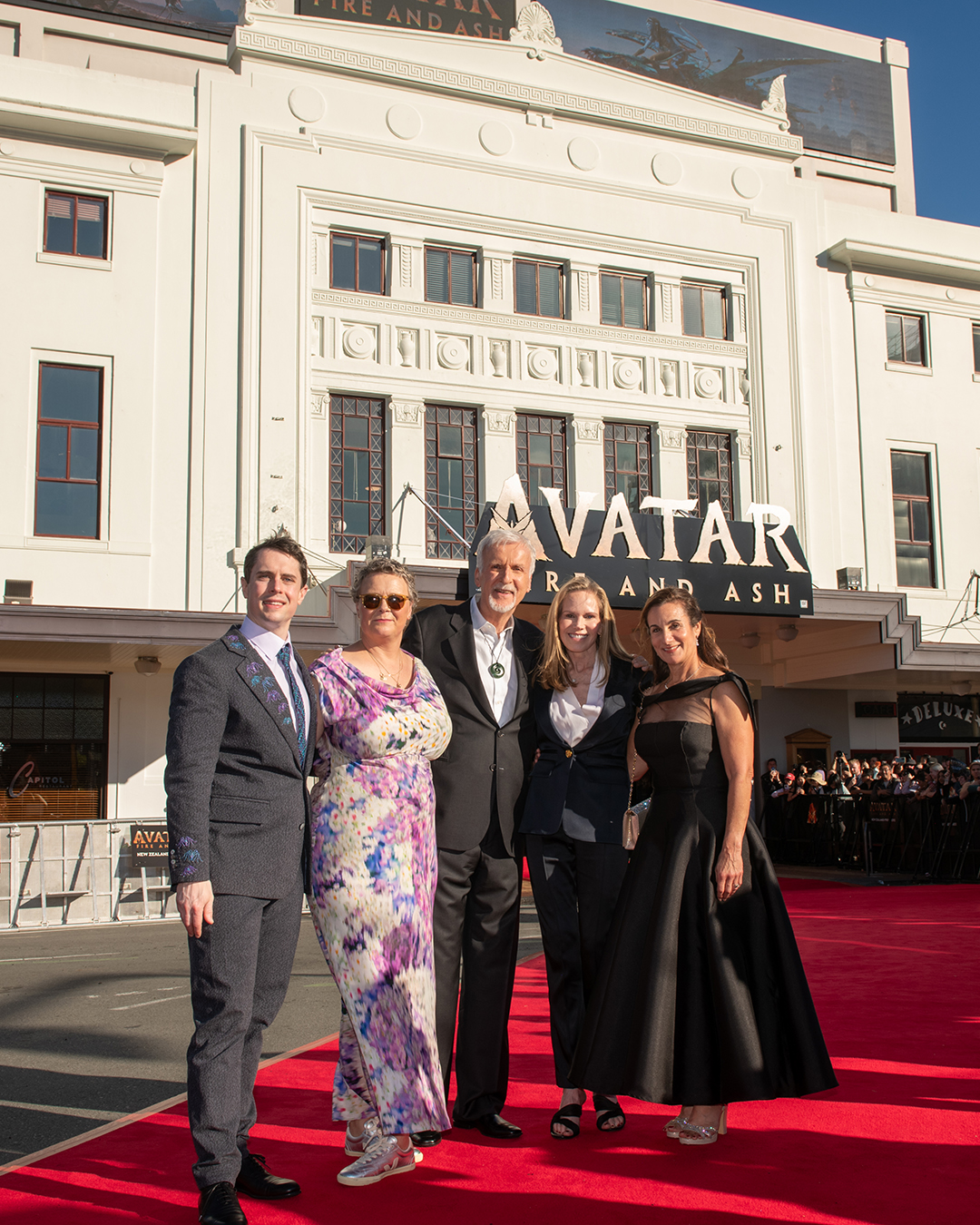
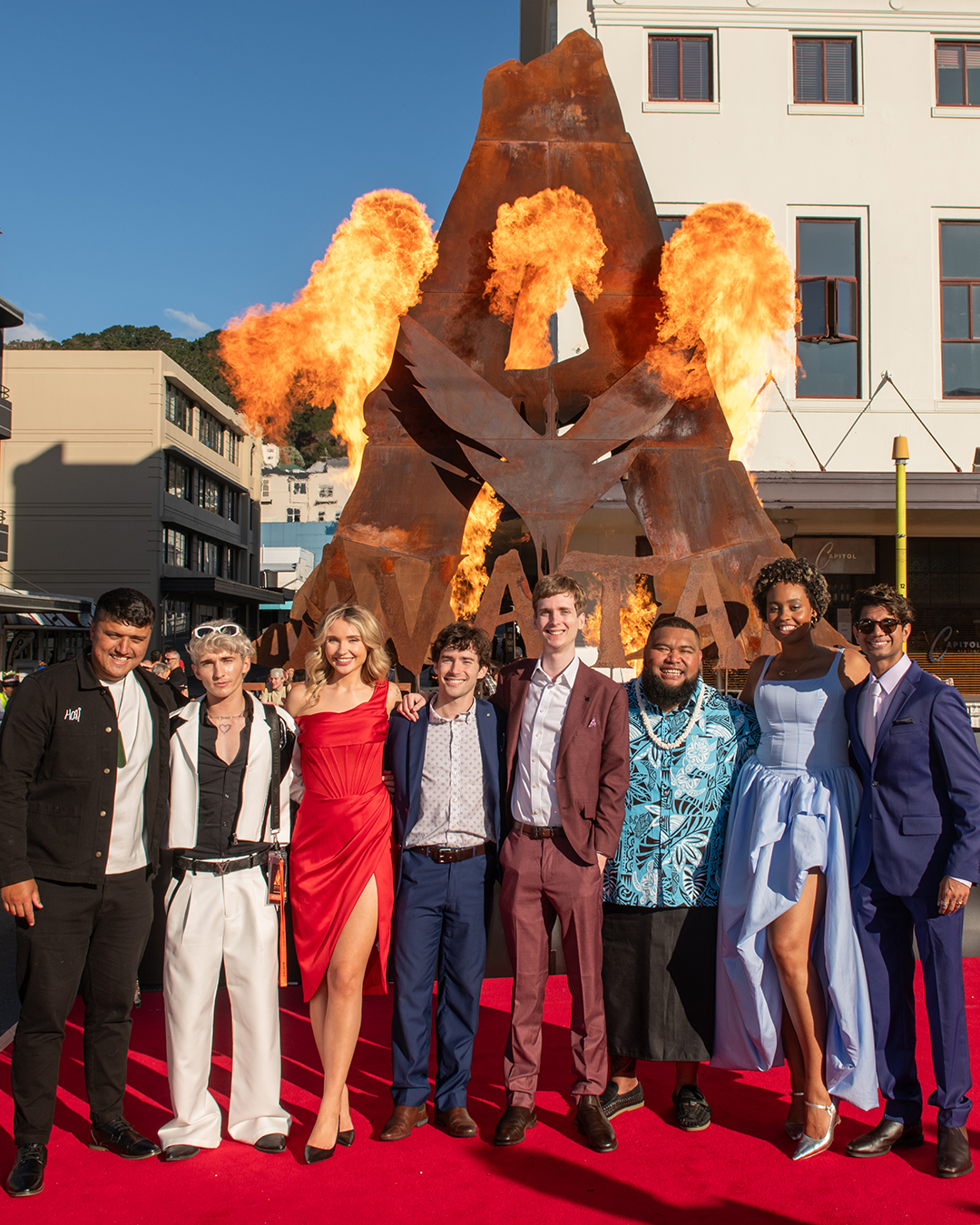
Amazing to think it was over 20 years since the ‘The Lord of the Rings: The Return of the King’ premiere in 2003, when over a 100,000 fans packed the streets. Wellington City was buzzing again on Saturday with the same energy for the Australasian premiere of Avatar: Fire and Ash. I was lucky enough to photograph the red carpet back then and got to do the same again this time for 20th Century Studios and The Walt Disney Company, capturing director James Cameron and all the talented cast and crew- this time with a flaming pyrotechnic backdrop. Great to see Wellington back in celebration mode!
Late last week we had a visit from a pod of three orcas to the south coast of Wellington, a magnificent sight to behold- and of course, photograph.
It timed nicely with the school holidays, and as they cruised along Island Bay beach only meters from the shore, kids were running along the sandy beach beside them, giddy with the excitement of seeing such large marine mammals up close.
I have been lucky enough to photograph these occasional visitors on ten such visits over the past 16 years- and this latest visit got me thinking that I should go back into my archive and put together a chronological edit of some of my better images -which is what I have done here.
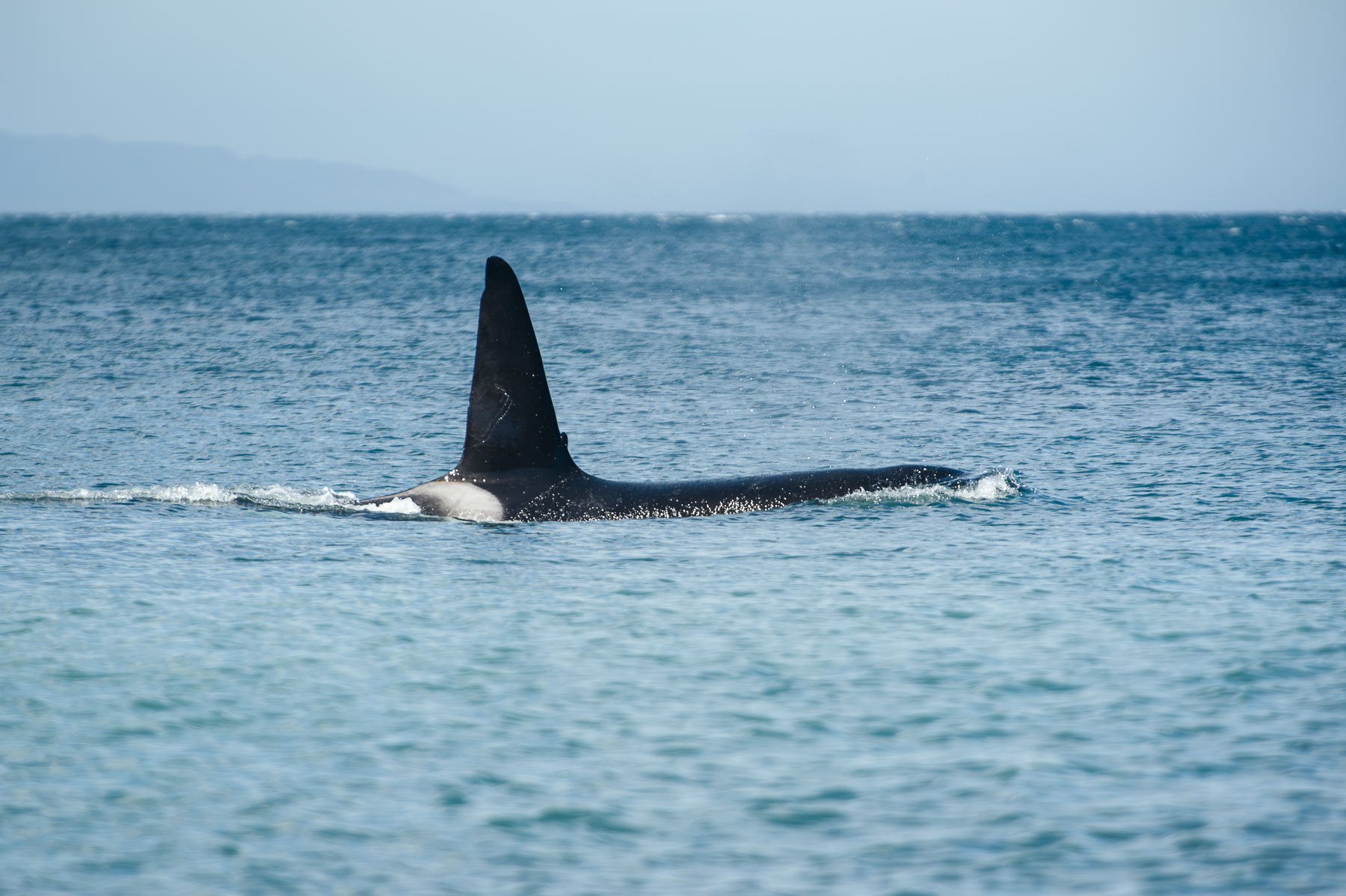
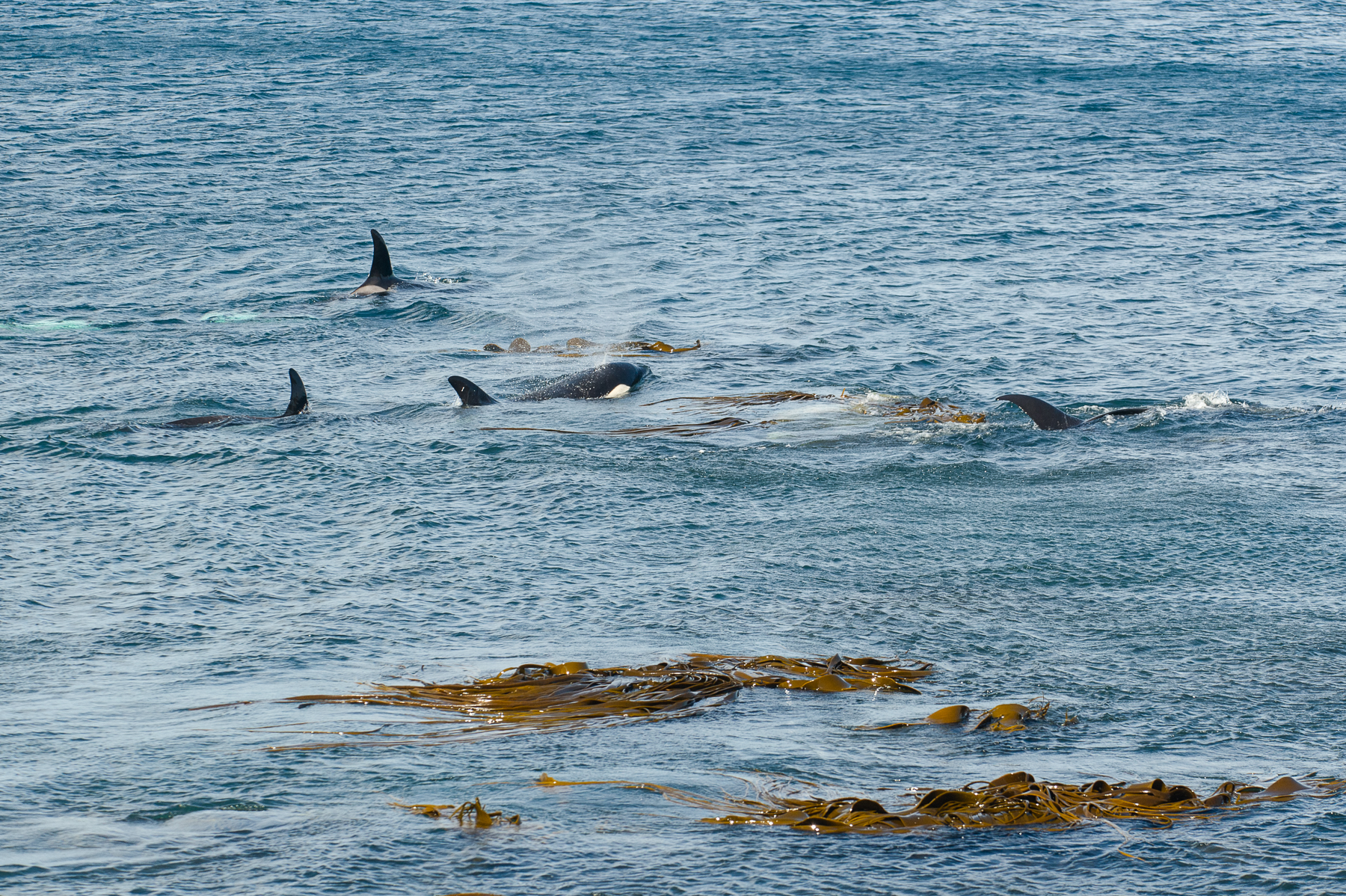
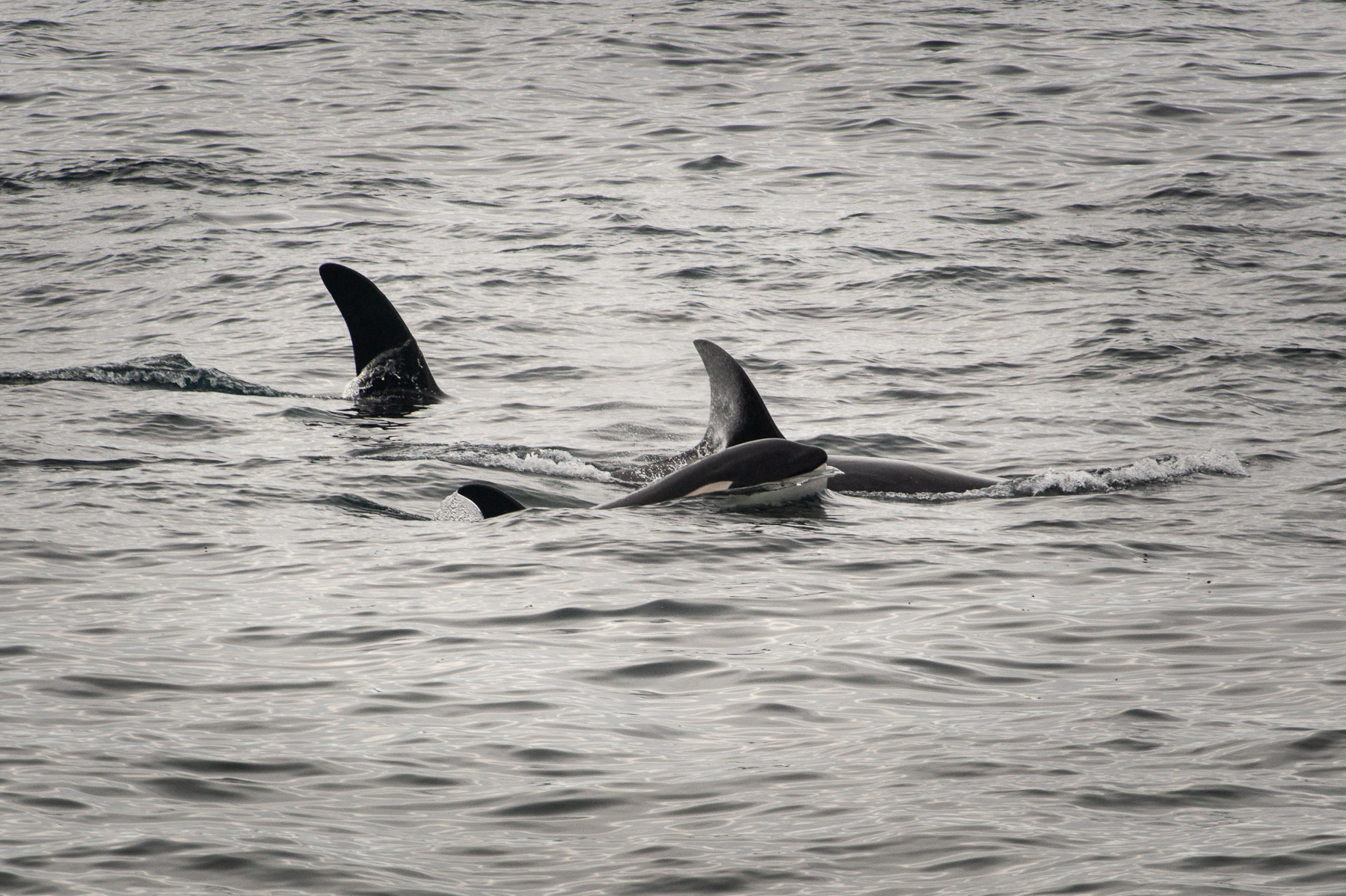
These first four images below are of a group of four orcas taken on a windy afternoon back in March 2009.
The large dorsal fin cuts through the squally surface- taken from Red Rocks looking east towards the Orongorongo range.The pod of four clear their blowholes in calmer water closer in. It is estimated there are 150-200 orcas in New Zealand coastal waters.The male orca seen above can live for up to 50-60 years, while the smaller female can live as long as 80-90 years.Foraging amongst the kelp at Red Rocks/Pariwhero. Despite being sometimes called ‘killer whales’, they are in fact a type of dolphin.
This next group I photographed in March 2010. As they travel along the coast you never know how close they will come to the shore or what behaviour they will display. Often they are fairly sedate, but this time was special as two orcas powered into a rocky inlet towards me, surfing on the whitewater.
Two months later on the 11th May 2010 we had this group which included a small calf. These family groups or pods are usually formed for life and they can have their own unique dialect.
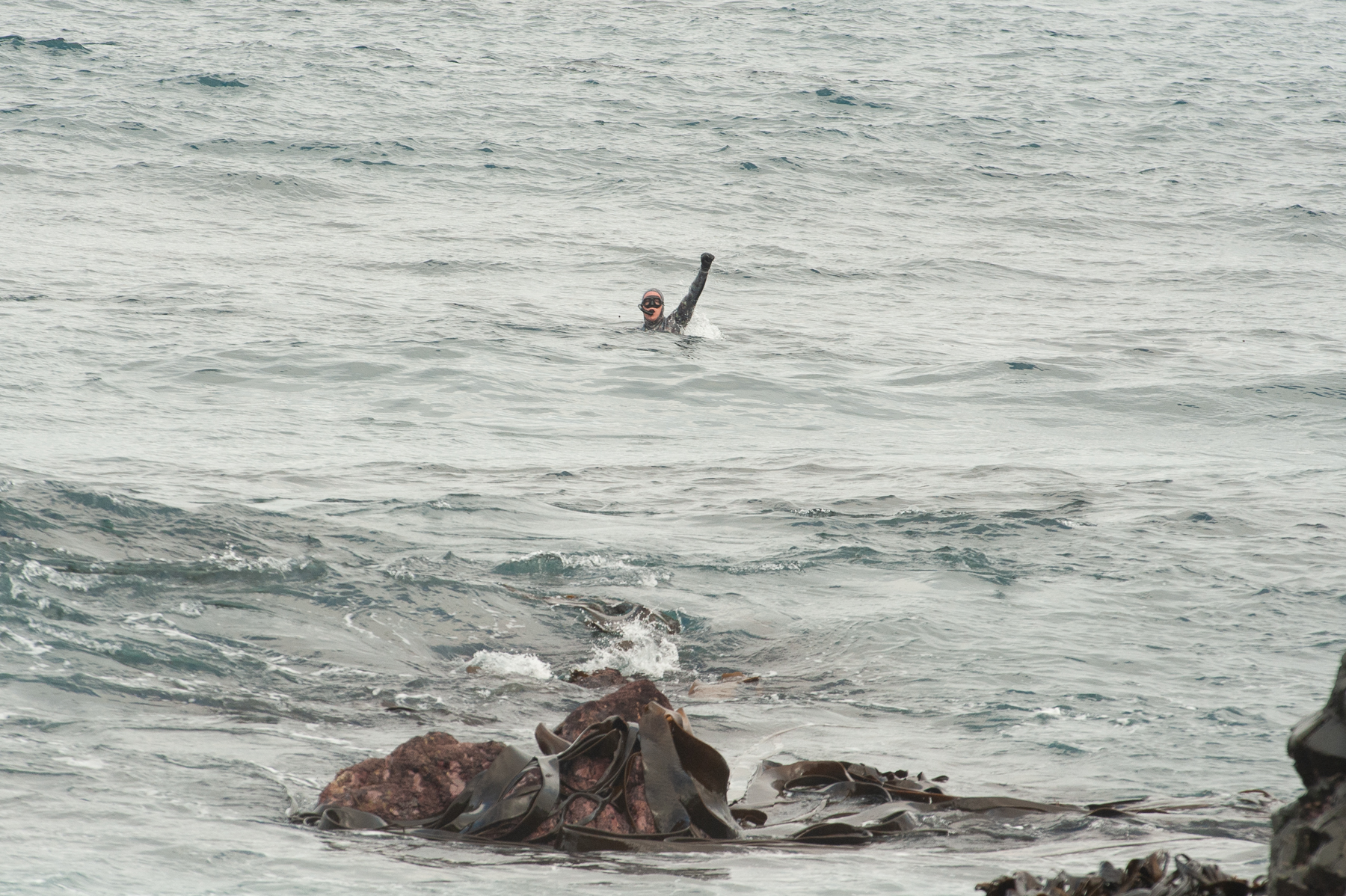
I’ve done a lot of free diving and spearfishing in the area over the years but have never been lucky enough to have encountered an orca whilst I’ve been in the water. I’m not sure how I’d react if I did, but this free diver was understandably stoked and fizzing on adrenaline when a group swum past him. There are no known attacks on humans in the wild.
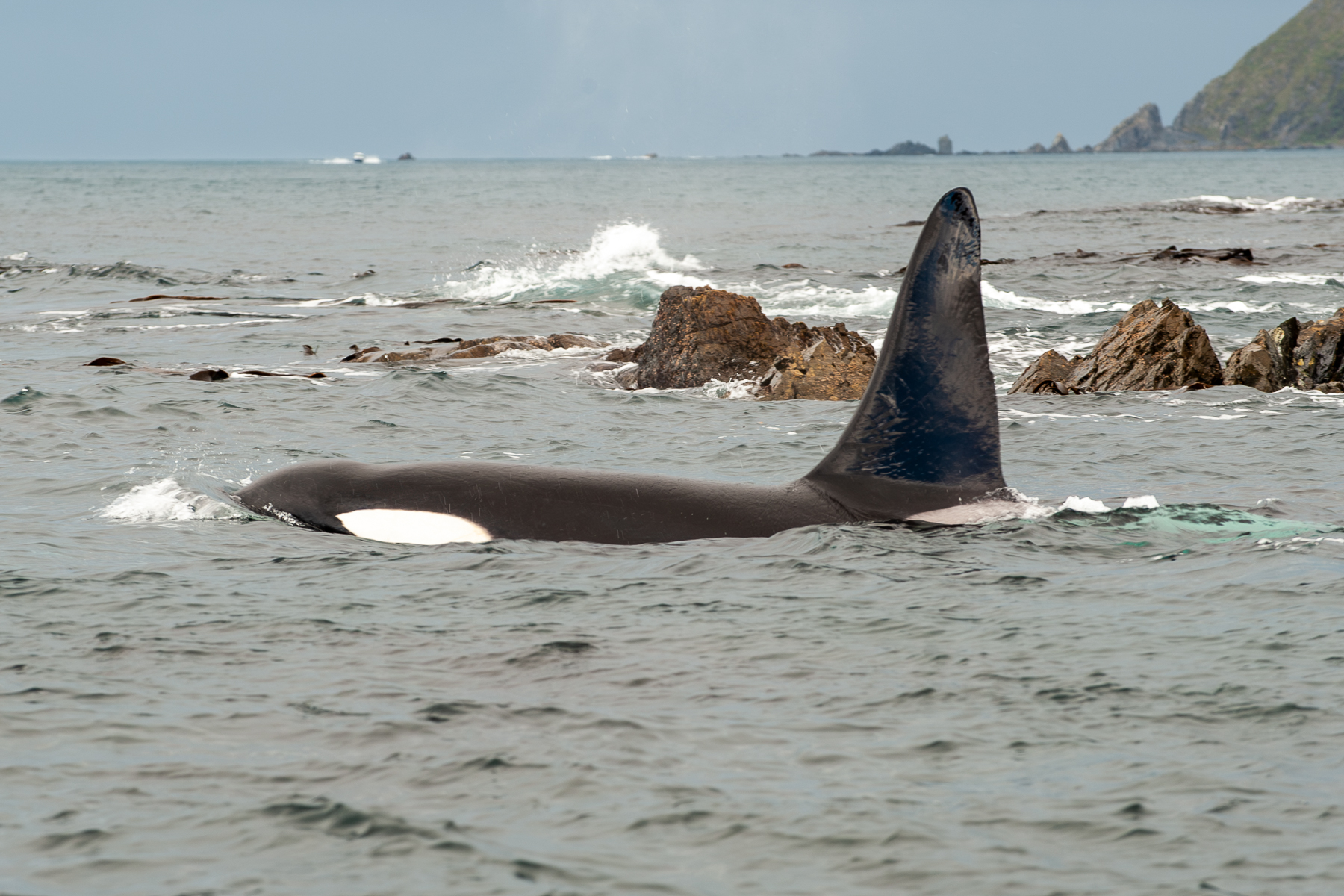
And then just two days later in May we had what I think was a different family group cruise past.
This was the massive male and had distinct markings on his dorsal fin. You can tell male and female orcas apart by their dorsal fins, with males having tall, triangular and straight fins, while females have shorter, more curved fins.It’s known that pods of orcas sporadically arrive in Wellington harbour and hunt stingrays on the muddy bottom. From what I have witnessed, once exiting the harbour, they always travel along the south coast in an east to west direction.
Two years later in March 2013 I was lucky enough to catch this orca breaching. Capturing elusive moments like this when they occur is what keeps this photographic pursuit interesting and addictive.
A couple of lucky spectators enjoying the moment.Rolling on its side, this orca was right in the shallows of the rocky shoreline between Island Bay and Owhiro Bay.
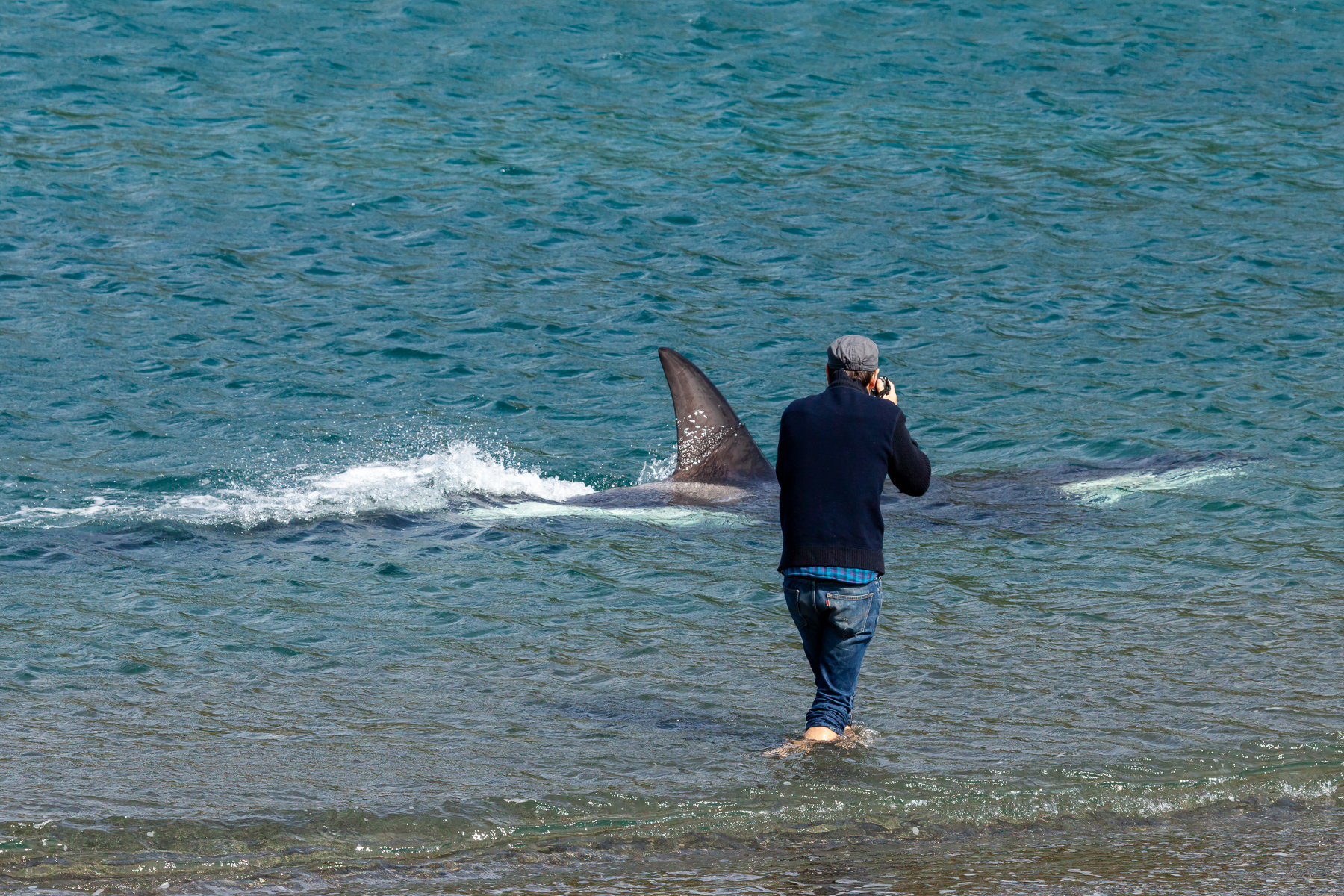
October 2013 was memorable for getting really close to an Orca on Owhiro Bay beach as it cruised past.
The next two photos below were not mine, but taken by Mike White who is a writer and senior journalist- as well as a south coast resident. He captured these great images of me standing in the shallows photographing the scene above.
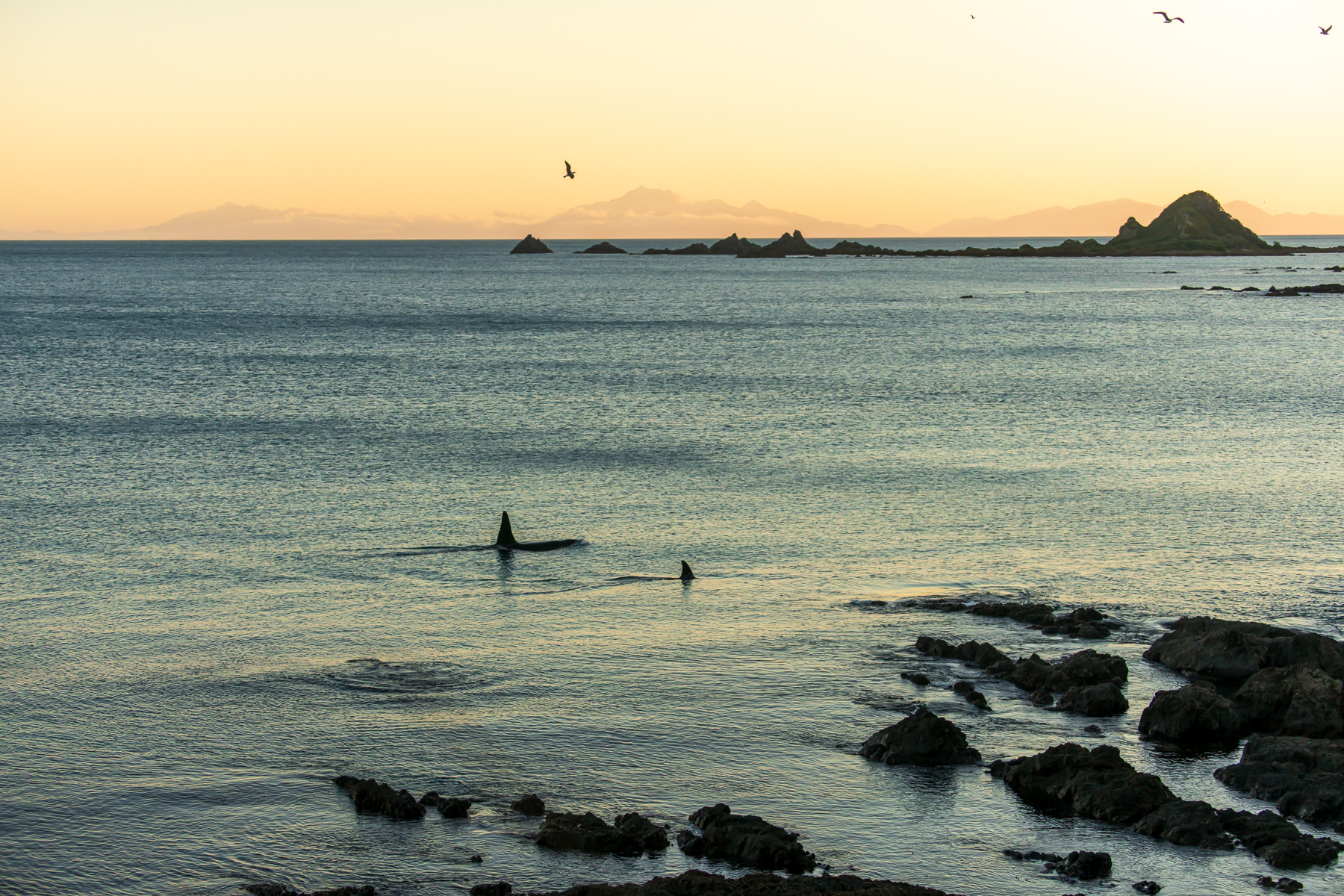
August 2019 saw a late afternoon winter visit just as the sun was setting. These were taken from the eastern side of Houghton Bay looking southwest toward Taputeranga Island and across the Cook Strait to the South Island.
And finally October 2025, these occasional magnificent visitors again pulling the crowds as they meander their way along the coast.
It’s nice to shift from our omnipresent digital world to analog mode occasionally and here I’ve printed some photographs and put together a book. It’s a small collection of people and portraits from my commercial work, images that I think work kinda well together and illustrates what I do.
Little did I realise when I shot some imagery last year to publicise a new AI course for Te Herenga Waka- Victoria University of Wellington, that AI would so rapidly shift out of the shadows and into the wider public imagination.
The recent giant leaps forward by the likes of Midjourney and Photoshop have put AI into the ‘ignore at your own peril’ category for those in the creative sector also.
On the plus side of the ledger most of my work is what you could loosely describe as photographing ‘specific people in specific environments’, but like the shift from analog to digital, it would be naive to think this new tech won’t affect me.
My current (and rather unspectacular) plan is to stay conversant with the technology and to ‘keep calm and carry on’. I thought as an exercise I could revisit a few of the images from this university shoot, as well as Destination Mars, and see what Photoshop can offer now.
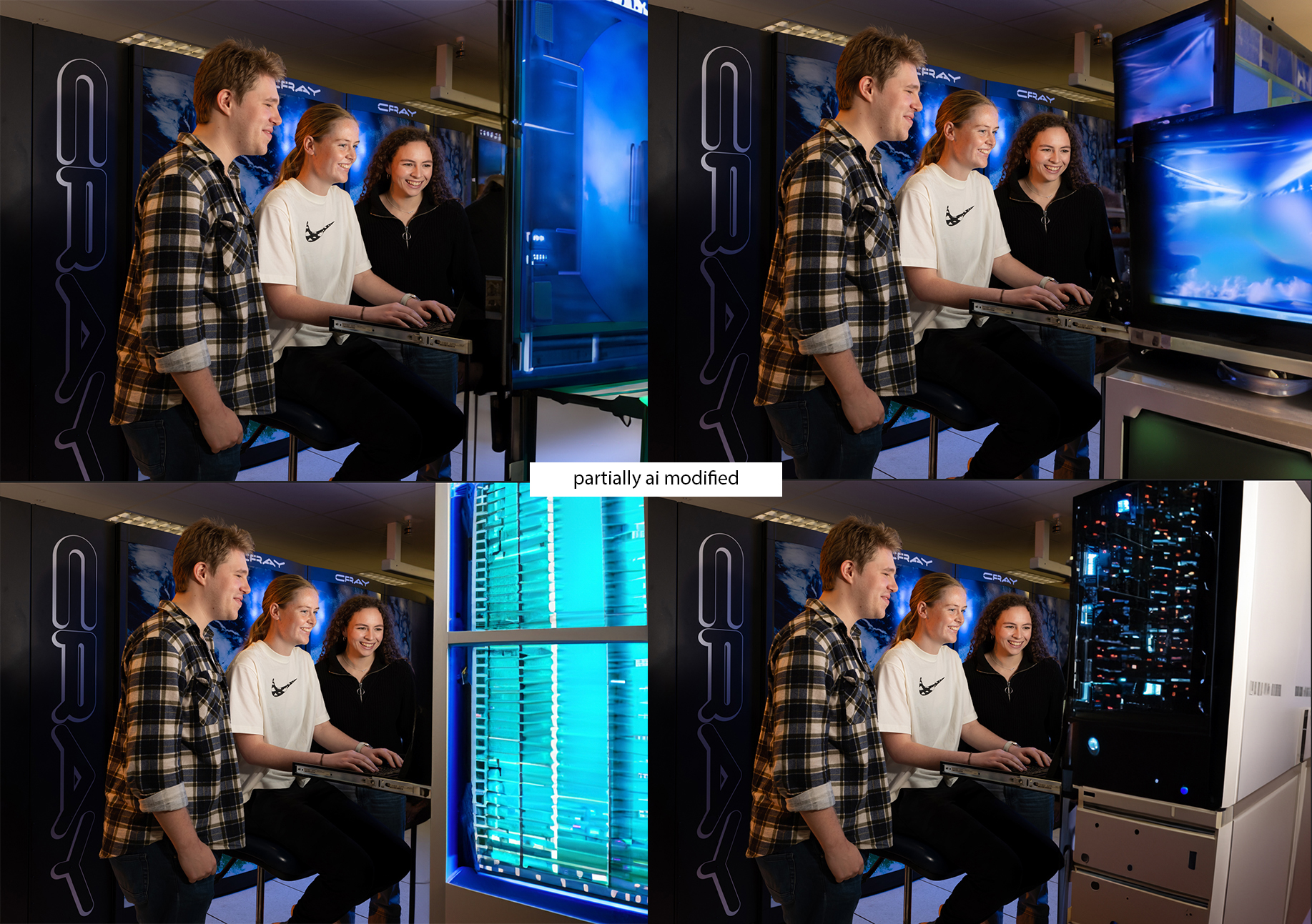
Our first location was at Niwa’s High Performance Computing Facility– aptly named as the supercomputers housed there can process an impressivetwo thousand trillion calculations per second.
Above is one of the original images I shot- if we wanted to change the dark area on the right side let’s see what Photoshops Generative Fill can do if we select that area and type the text prompt ‘Super Computer’.
Here are four results and you can see the top left image looks particularly good. A significant change like this could be ok for a different client, but in the context of being at a crown research institute and shooting for a university it most likely makes it unusable.
No doubt I’ll be having discussions with clients as to what is and isn’t acceptable in terms of fabricating completely new elements and other changes like this for their images. As the technology speeds ahead I can imagine businesses and government organisations having to play catch up to determine and formalise their own specific official guidelines and policies around AI.
This next image I photographed was back in the city, let’s see what Photoshop can do with the rear wall if for instance we wanted to change that.
Using the lasso tool to quickly select the background and then typing in a prompt of ‘building interior with large windows and blue sky’. Thirty seconds later a few iterations are offered of mixed quality but this particular one is a good result for such quick work. Again, in this particular instance another case of going too far- but it does give you an idea of what the technology can do and there would be plenty of situations where this would be really useful.
And pushing it to the extreme – how about trying to add a female student in the group as well?
About 20 iterations later there were plenty of rejects before the option below came up. The face and the hand isn’t perfect, but overall it suggests that we aren’t too many Photoshop upgrades away from getting consistently good results.
As well as creating AI generating software, Adobe is also involved (along with a wide cross section of companies like The New York Times, Nikon, Reuters, BBC and Microsoft among others) with creating software that enables you to check the authenticity of images on the internet at the Content Authenticity Initiative.
Whether initiatives like this, or law at a Government level, will be able to stem the growing tide of fake imagery generated by AI and used for for manipulative and dodgy purposes will be interesting to see.
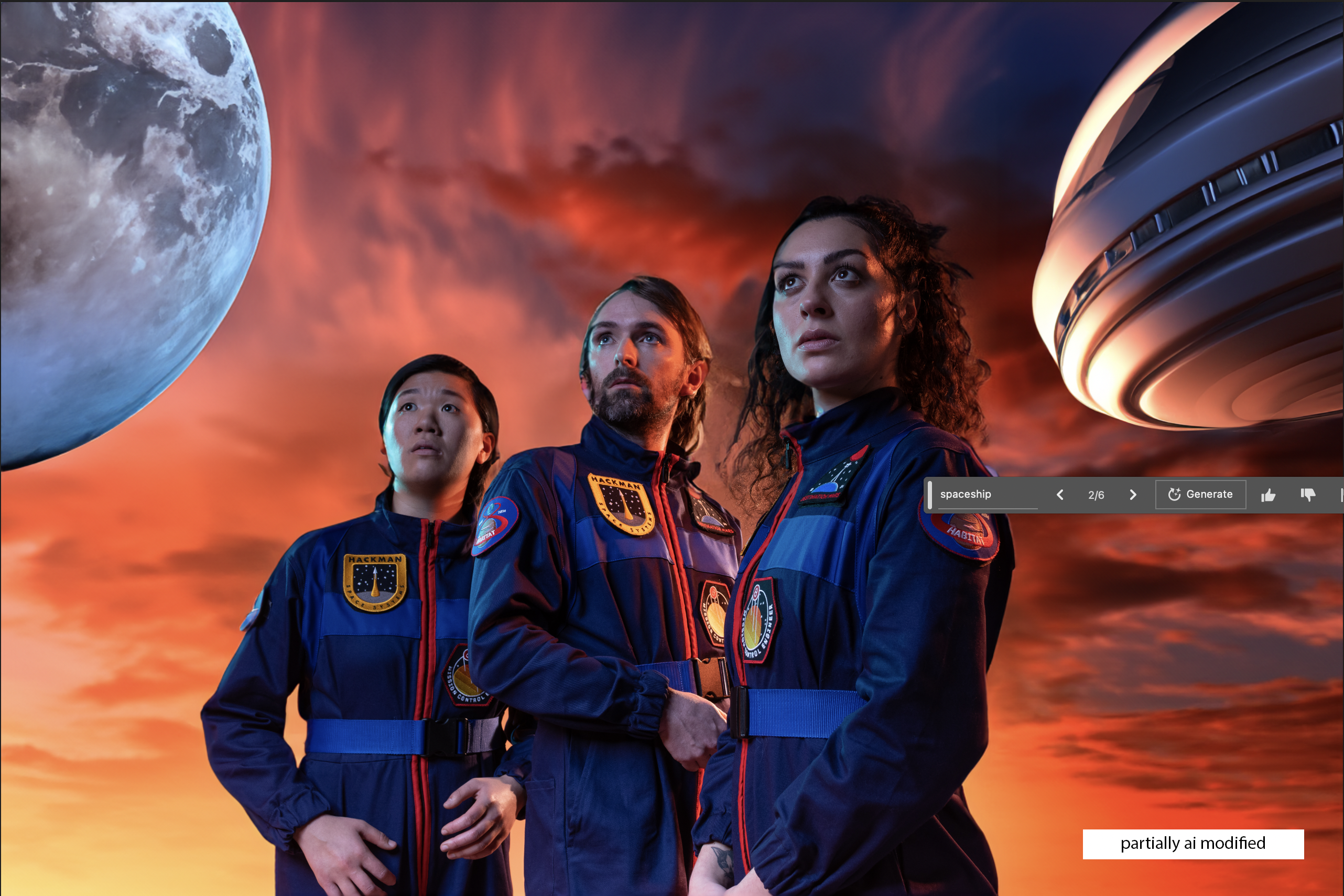
Serious ethical questions aside, it is actually really fun playing around and experimenting with generative fill on the right project. Here are a couple of results below for a studio shoot I did for Destination Mars after typing in various prompts like ‘martian landscape’ and ‘space station interior’ .
These are by no means finished images but it gives you an idea of what can be achieved when you have your models well lit to begin with.
So, just another creative and highly useful tool to to be applied when the context is right- or a portent of the end of times?
I cross my fingers and hope for the former as I think the need to take to specific photos of specific people in specific places will ensure our survival for at least a while yet.
It seems to bode well when I shoot for clients who, in no particular order, have a decent coffee machine, a table tennis table and the odd dog roaming around the office.
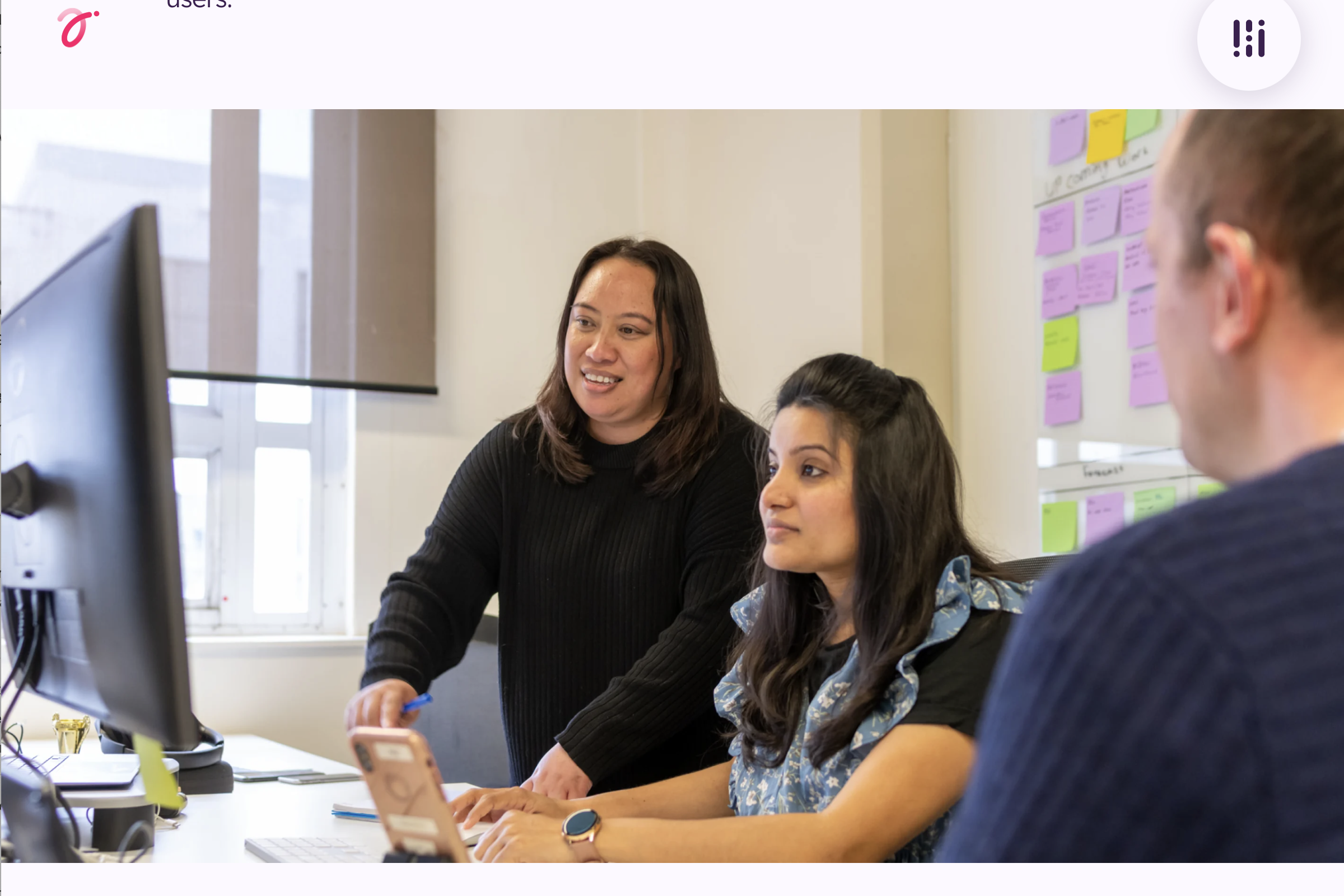
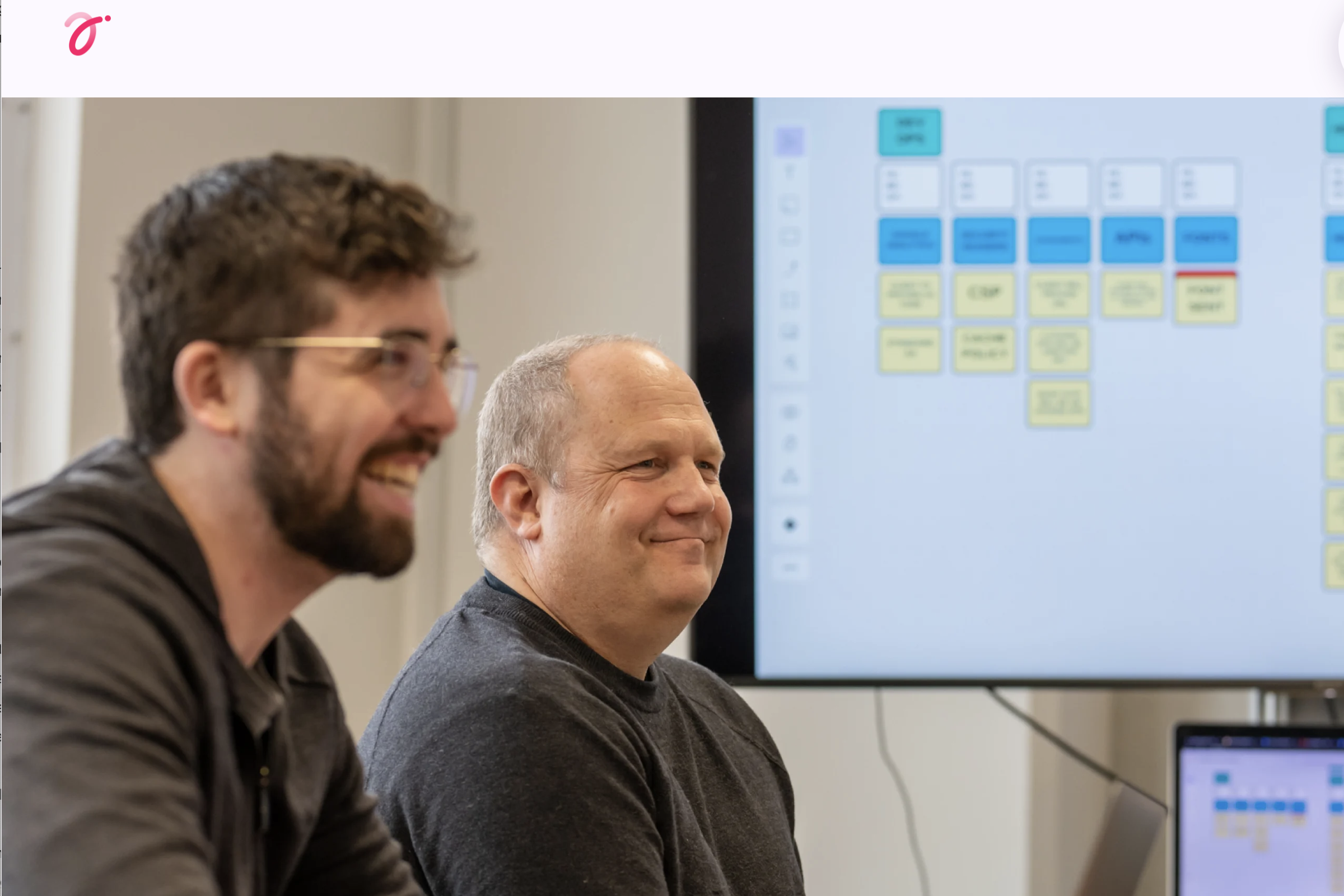
Such was the case with the good folk at digital agency Alphero They got me in to capture some natural looking imagery for their own new website (well it is actually about 6 months old, but I’m playing catch up) So we got the coffee brewing, the dog sitting and the bats a blazing and away we went.
Here are some example screen grabs from their website.
At a big shindig on the Wellington waterfront I photographed a few weeks ago the winners of this prestigious prize were announced. Prior to that evening I photographed three of these winners for the Royal Society.
The first was Dr Diane-Sika Paotonu who took out the Prime Ministers Science Communication Prize.
She was a leading voice during the Covid-19 pandemic explaining the technical aspects of immunology, vaccines, the SARS-CoV-2 virus and infectious diseases, Dianne contributed to more than 220 broadcast media stories and 1500 online and print media stories.
A Pacific immunology and biomedical scientist, Dianne is an Associate Professor of Biomedical & Health Sciences-Immunology, and Associate Dean, Pacific, at the University of Otago, Wellington.
Any photography assignment where you visit the zoo and see Sunny the one eyed giraffe is a good one in my book!
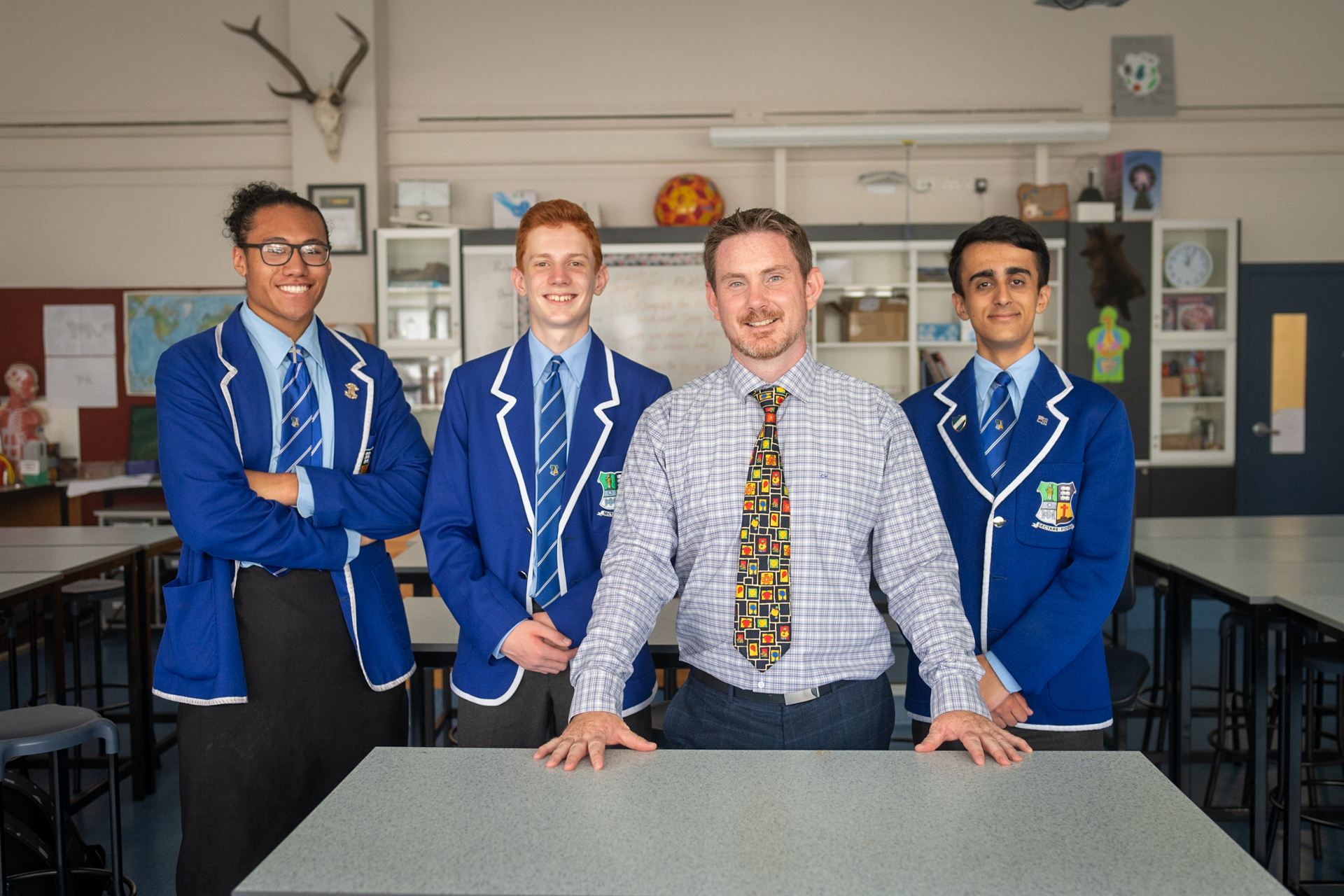
And it’s obviously a place that has helped inspire students of Doug Walker who won the Prime Ministers Science Teachers Prize. Doug teaches at St Pats college here in Wellington and has collaborated with local partners like the zoo as well as Carter Observatory, NIWA and Te Papa to enhance learning experiences for his students and getting them interested in science.
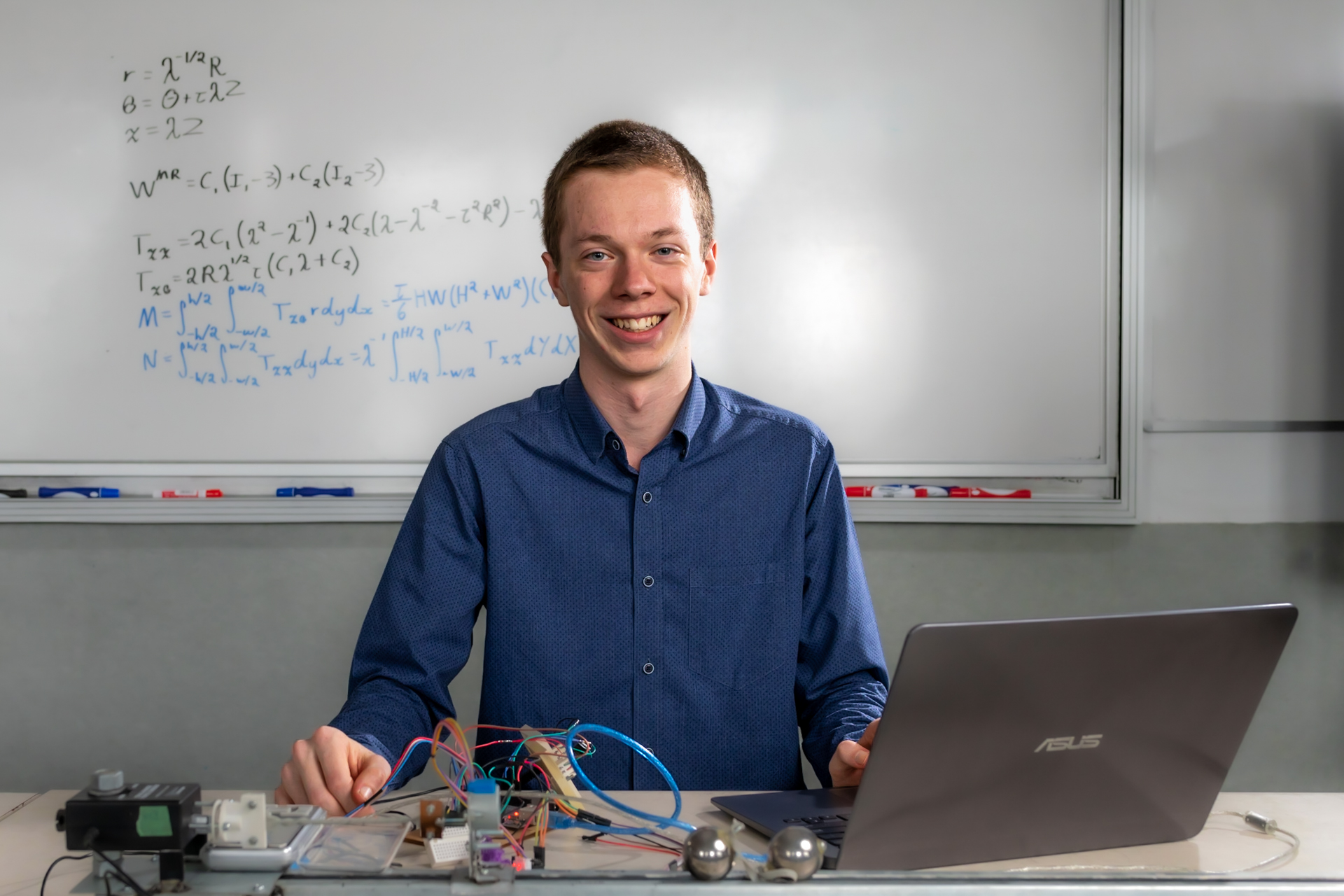
And finally Benjy Smith won the Future Scientist Prize for research into mathematically modelling the behaviour of twisted elastic bands. This knowledge can be applied to many types of structural engineering.
Benjy was a Year 13 student at Onslow College when he finished his project and is now studying physics and computer science at Te Herenga Waka – Victoria University of Wellington this year and will no doubt go on to great things!
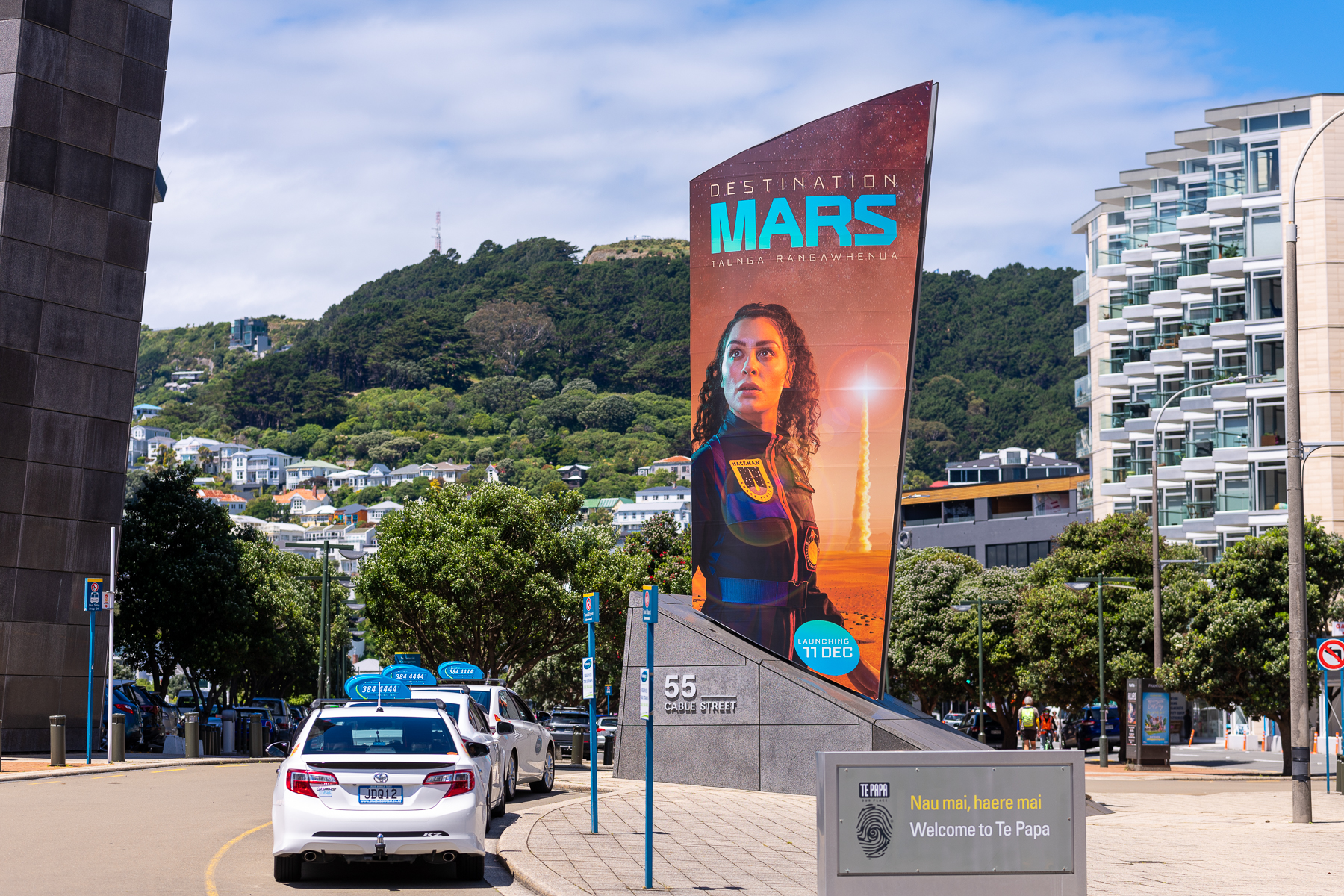
Thankfully no interstellar travel or MIQ was required for the shoot I did for this interactive NZ Festival Show created by Kip Chapman and Brad Knewstubb which is on now and getting great reviews.
The five talented actors beamed back to a studio in Wellington where I photographed them in a range of poses and various lighting set ups. It was a good opportunity, and fun, to use some creative lighting techniques that you generally don’t use on a lot of commercial work.
Calder Marshall comped the images together in the final image below and other images like the one you can currently see outside Te Papa.
screenshot from NZ Festival websiteoutside Te Papa
It’s always fascinating to photograph scientists and to get a glimpse into the work that they undertake. These two shoots for Te Herenga Waka Victoria Universities magazine were no different.
The first is Dr Farah Lamiable-Ouladi and her team from Victoria Universities Ferrier Research Institute who are studying Krabbe Disease, ‘a devastating neurogenerative disorder that causes death within the first two years of life’.
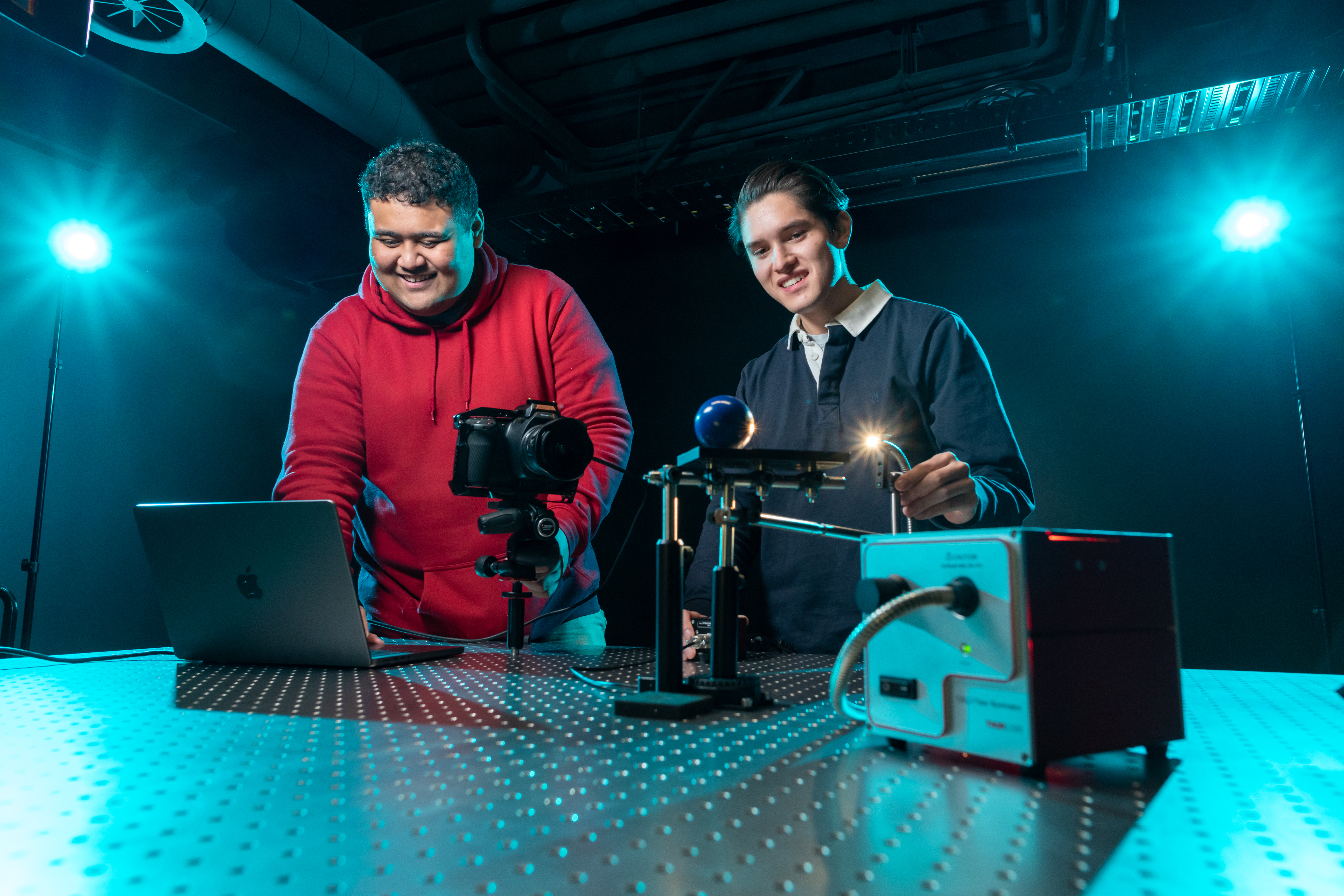
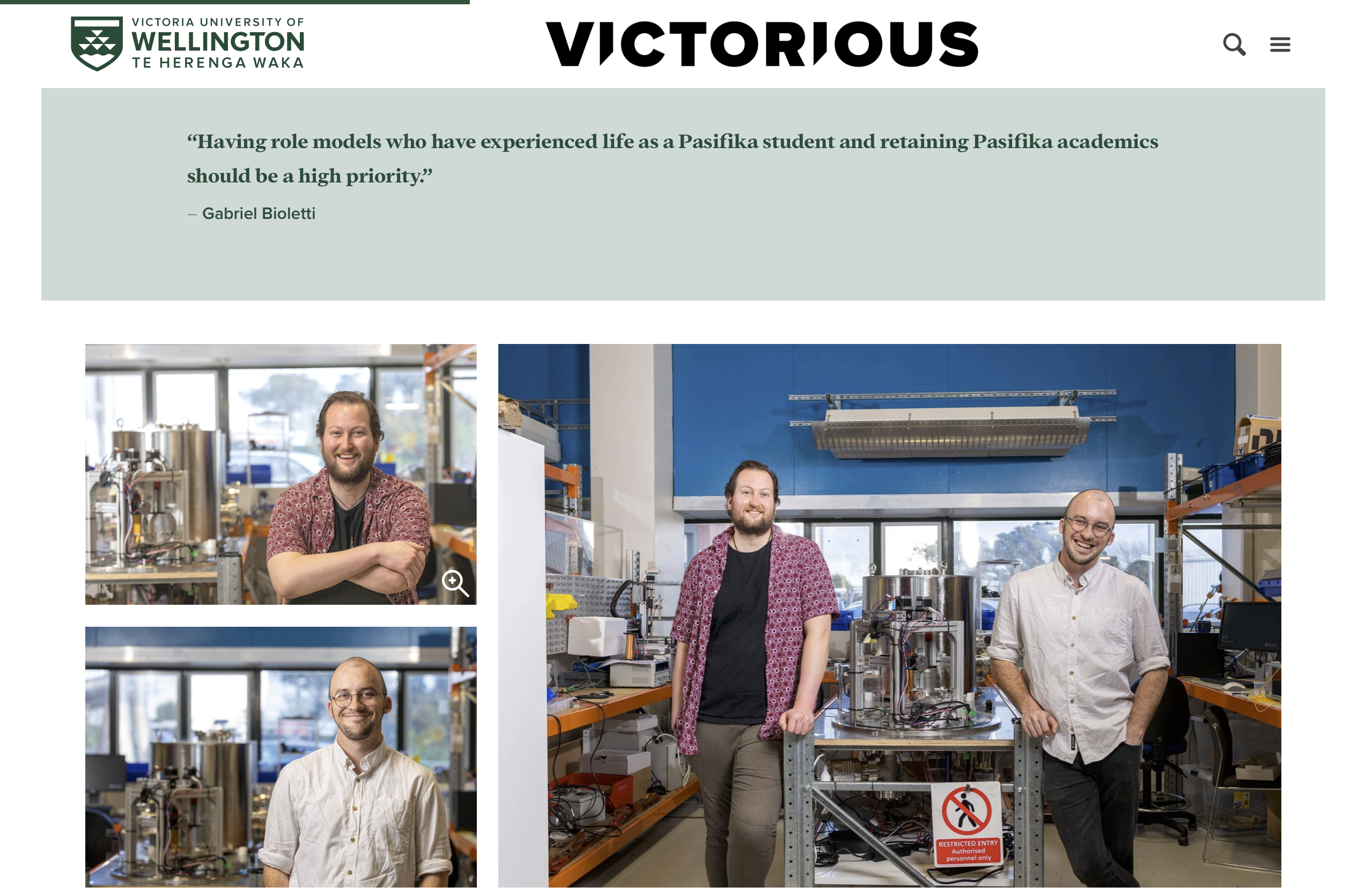
And the second is for a story about the universities support of Maori and Pasifika students in STEM subjects (Science,Technology,Engineering,Mathematics)- featuring physics post grad students Tane Butler and Gabriel Bioletti .
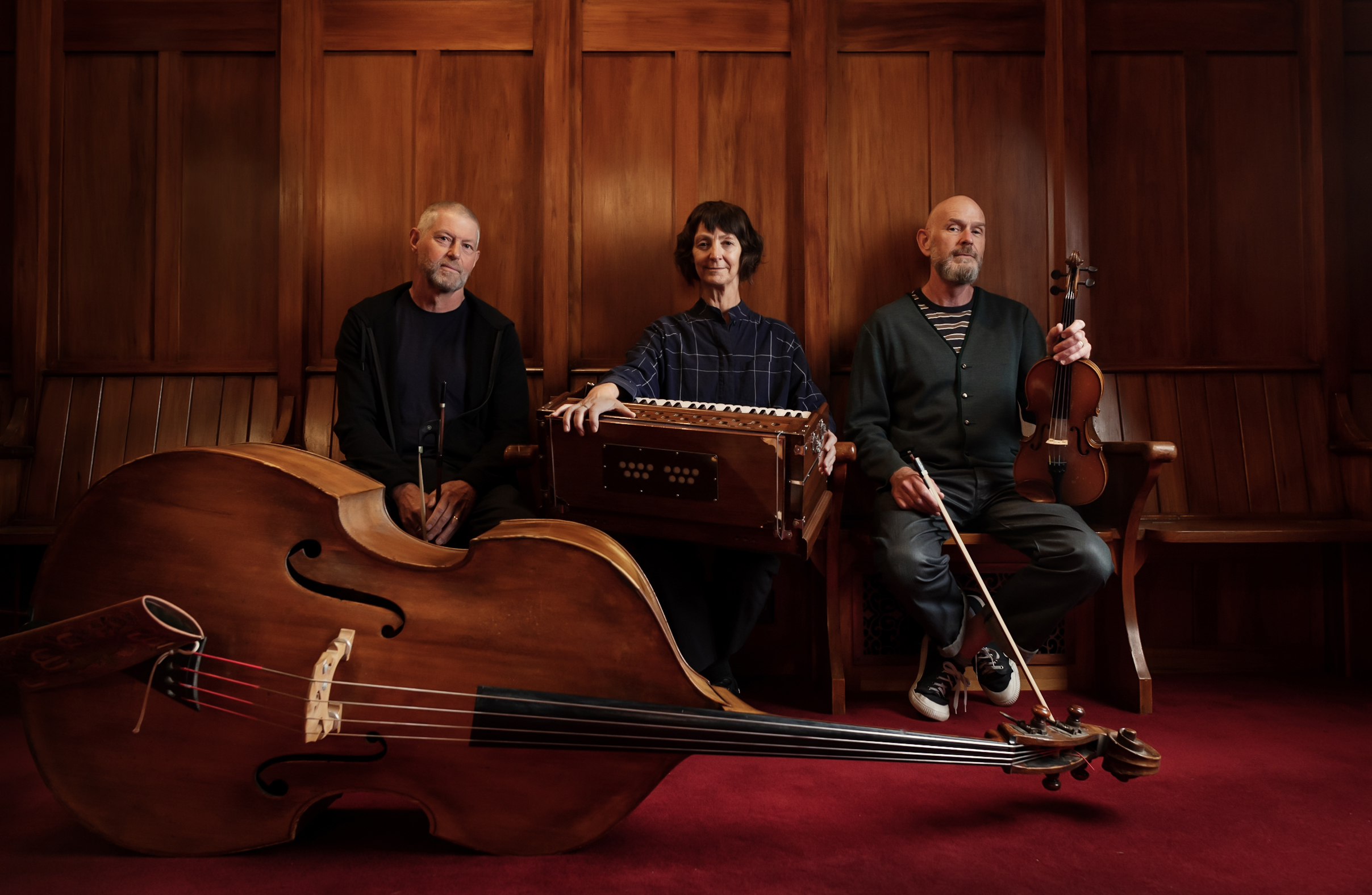
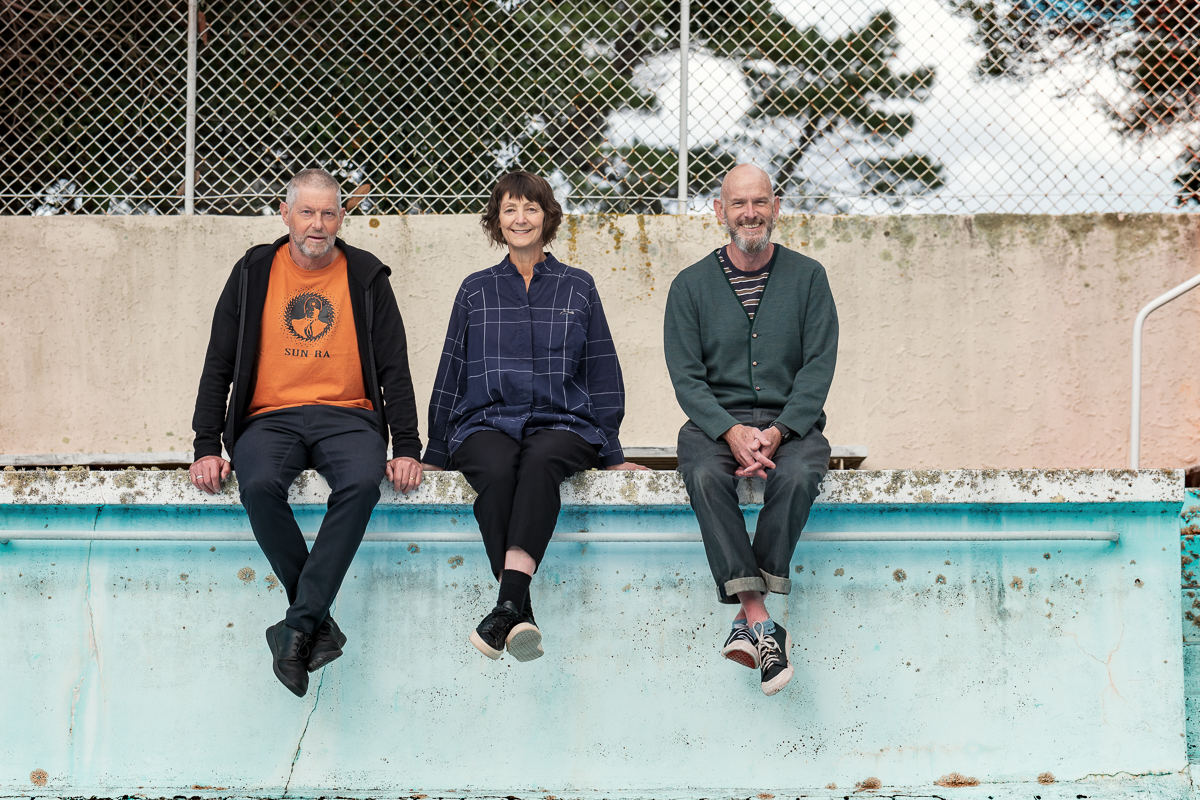
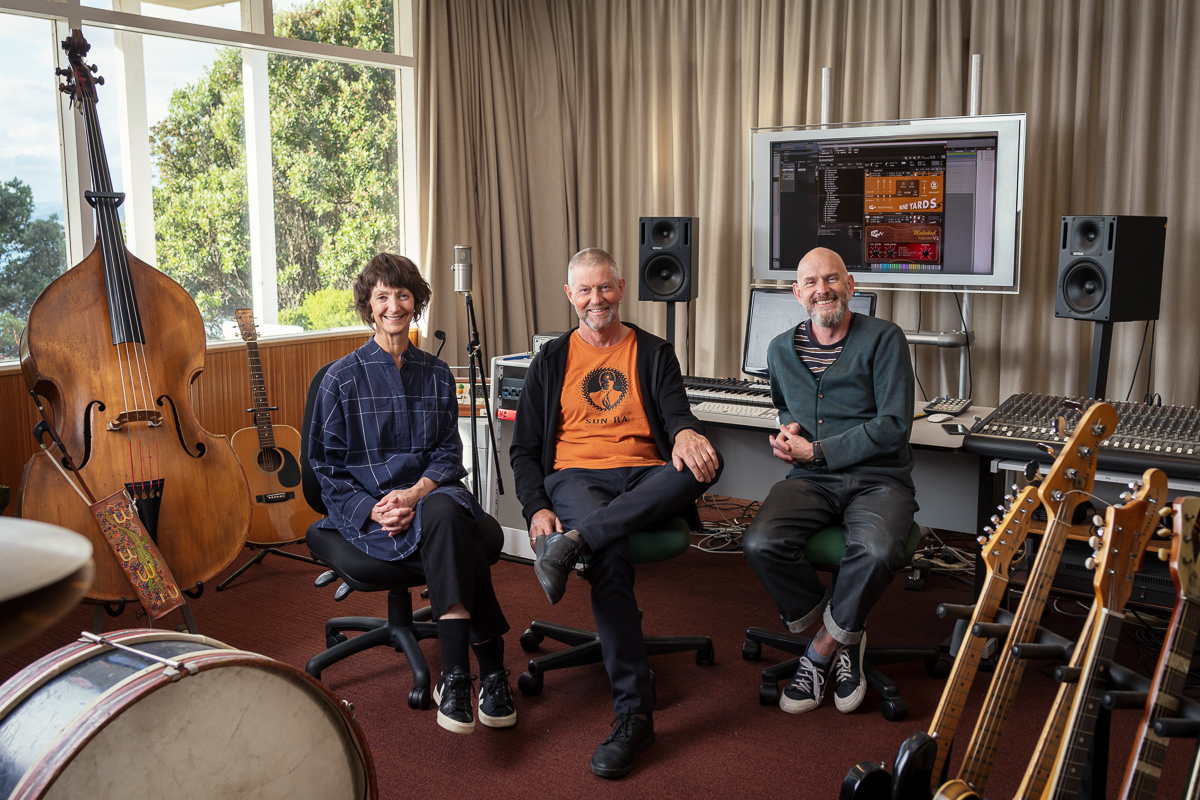
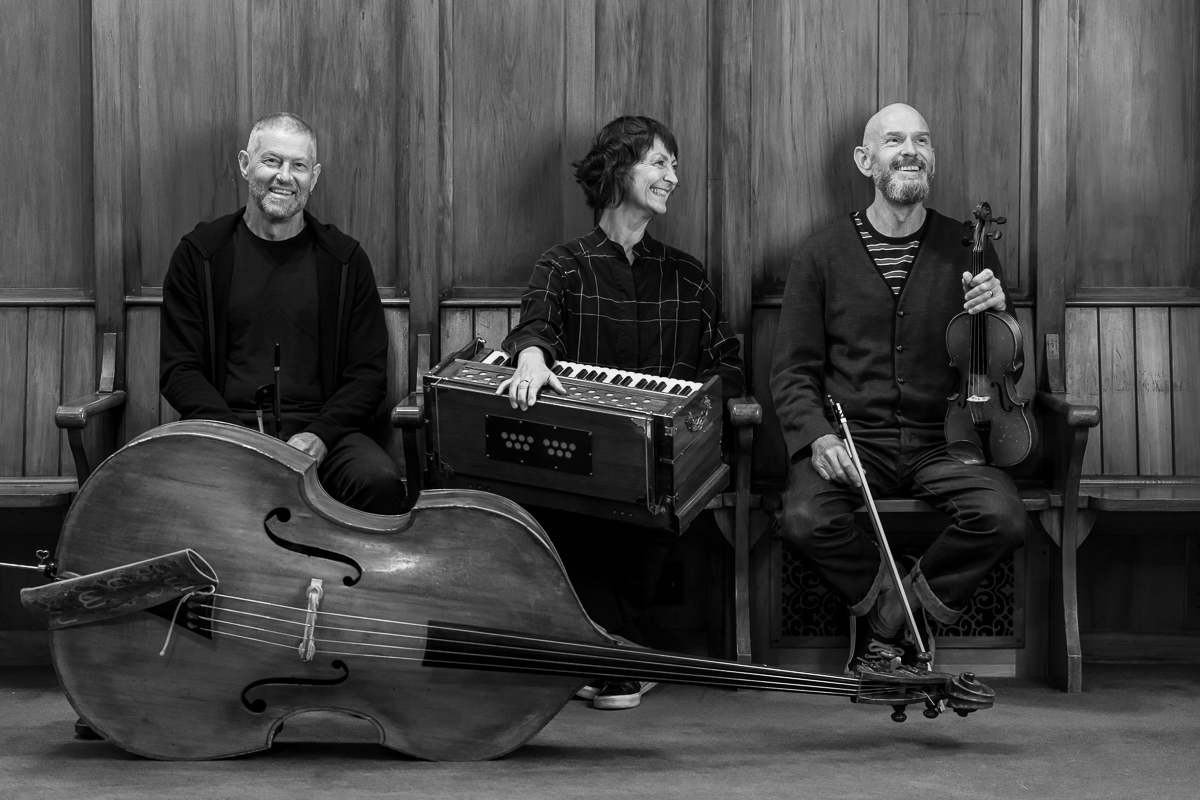
No better place for a shoot of talented film composers (Plan 9 -aka David Donaldson, Janet Roddick and Steve Roche) than an unused swimming pool, church and a really nice studio filled with interesting looking instruments.
This shoot was for their new album entitled ‘The Bewilderness’ and available on Spotify and Bandcamp.
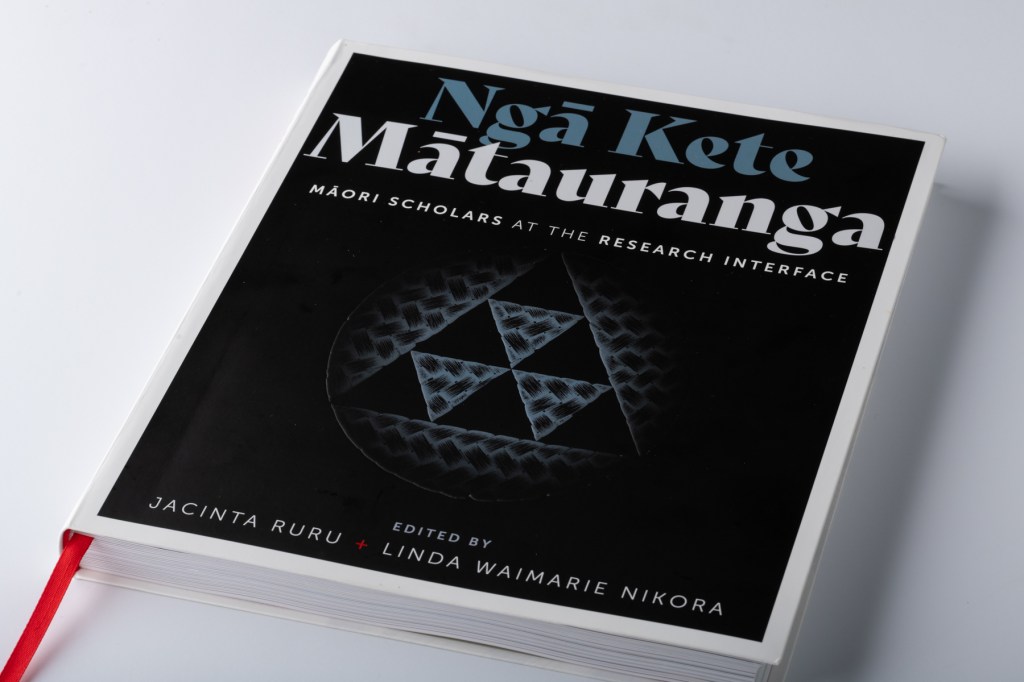
Wonderful to see this book I worked on throughout last year, ‘Ngā Kete Mātauranga’ launched this week and in bookstores now.
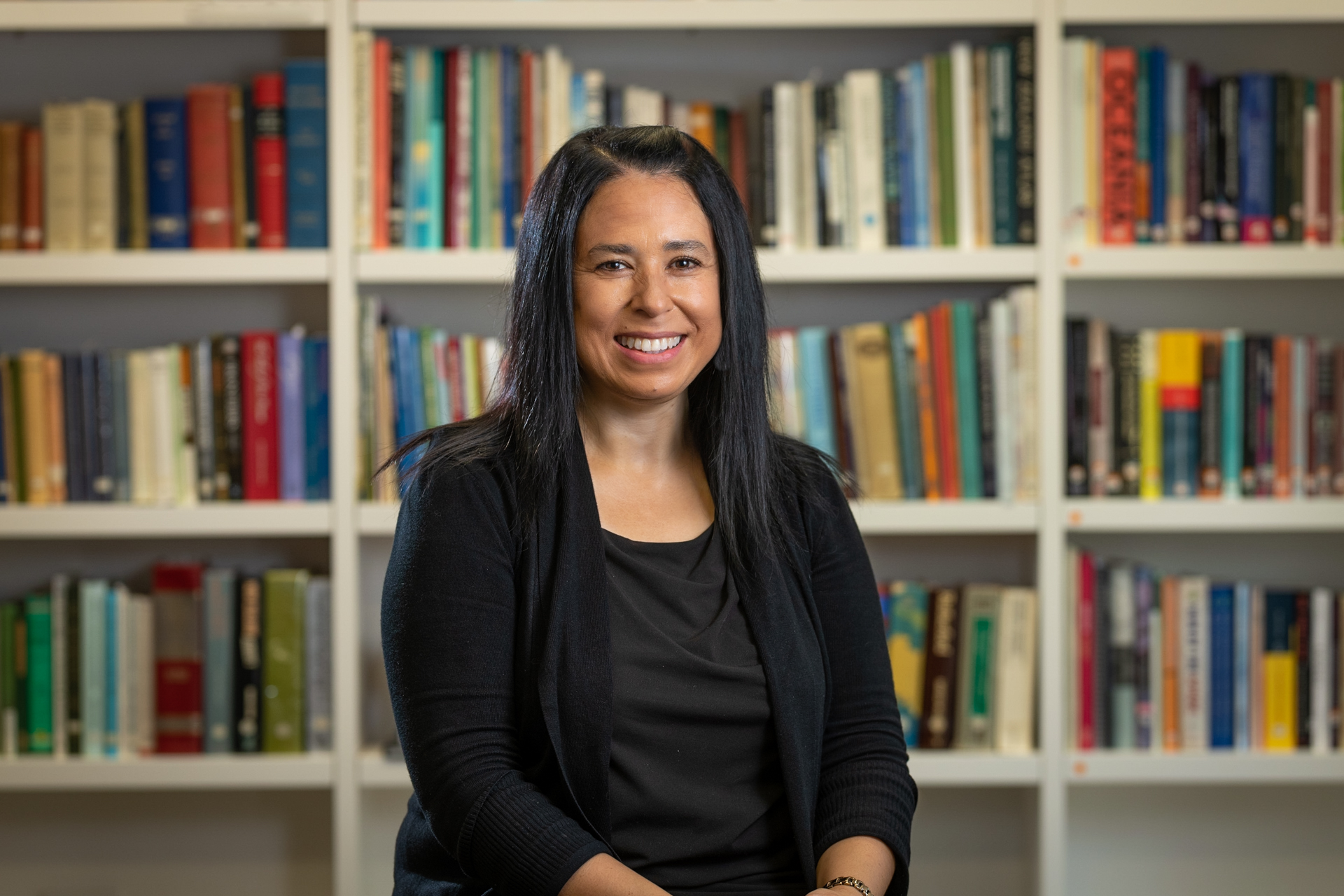
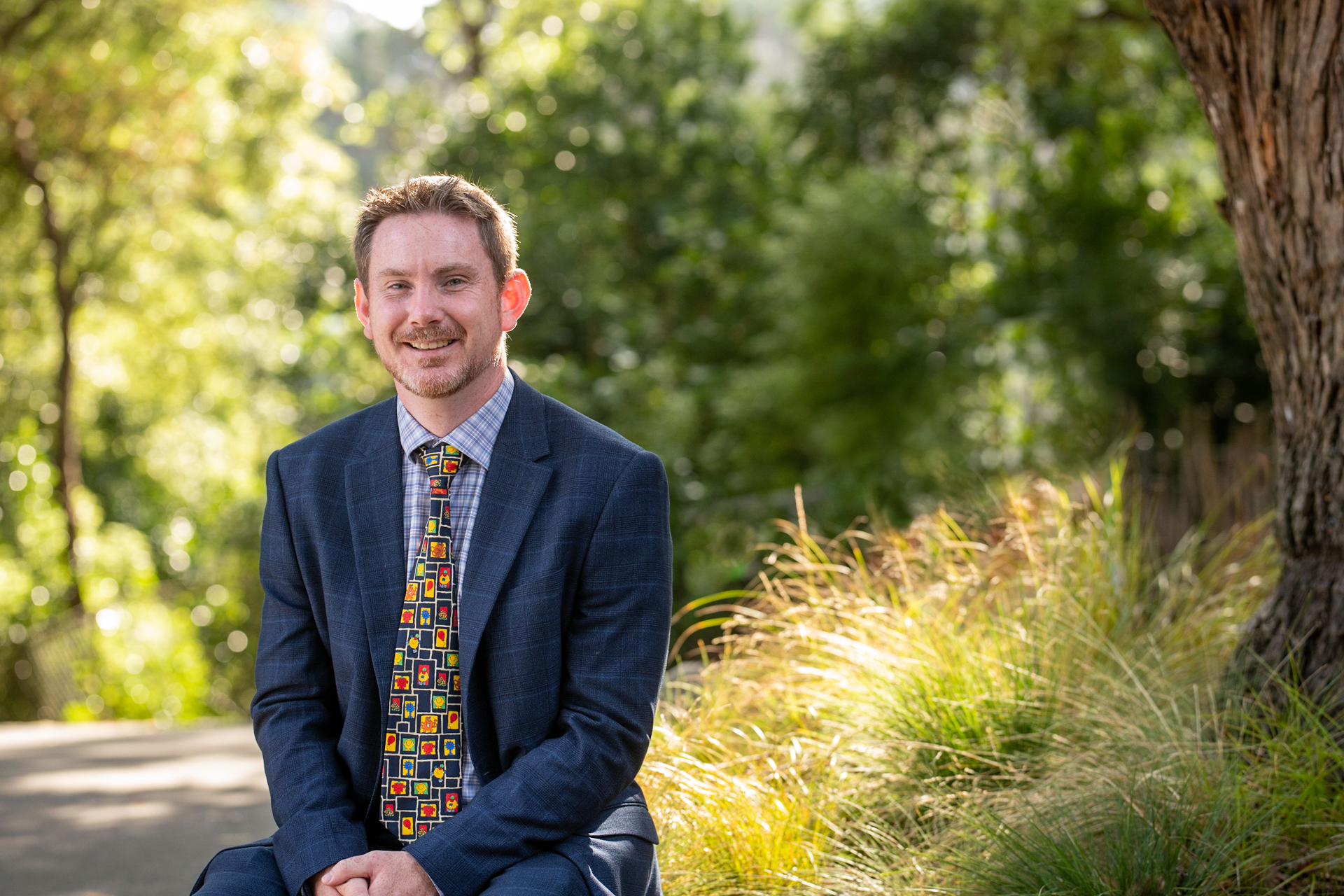
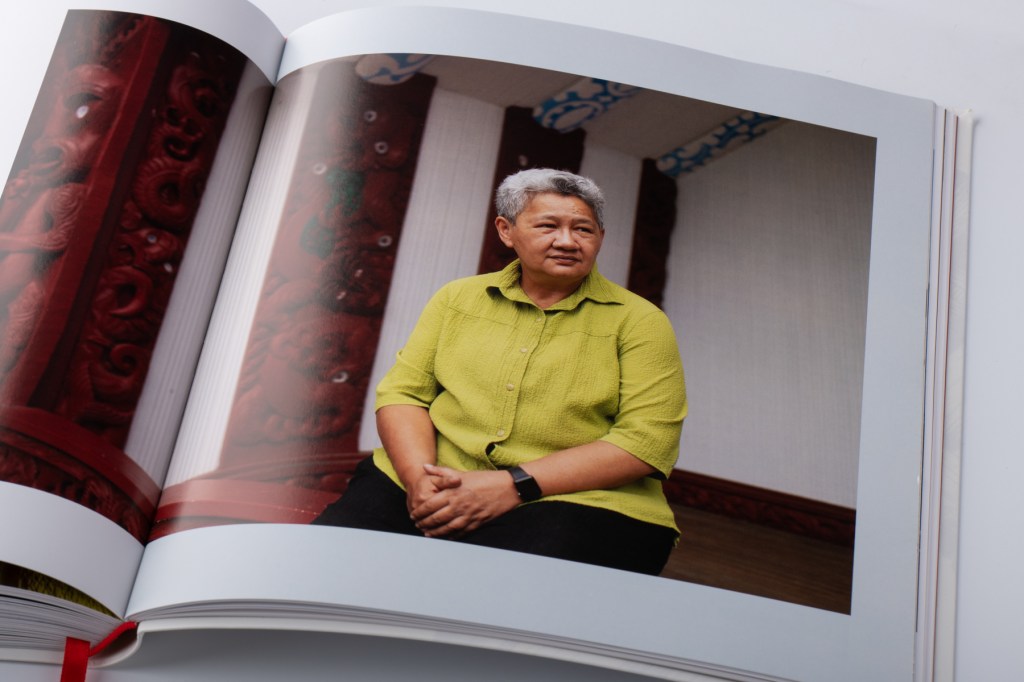
From Tāmaki Makaurau/Auckland to Waihōpai/ Invercargill I travelled around Aotearoa and photographed twenty four Māori academics in locations that had a personal connection for each of them. It was a highly enjoyable project to work on and great to meet and photograph so many people with considerable mana and knowledge.
Professor Juliet A. Gerrard, the Prime Ministers Chief Science Advisor describes the book thus: ‘These deeply personal stories provide a portal into the te ao Māori world, which many outside it seek to understand, but struggle to find a frame in which to do so. The abstract concept of decolonising the tertiary workforce is brought to life and given meaning by these kōrero of strength, where the authors display courage and vision from within an environment so often hostile to Indigenous ways of knowing’.
The book is edited by Jacinta Ruru and Linda Waimare Nikora and published by Otago University Press with the assistance of the Royal Society Te Apārangi and Ngā Pae o te Māramatanga New Zealand’s Māori Centre of Research Excellence.




































 Maiden Voyage