Late last week we had a visit from a pod of three orcas to the south coast of Wellington, a magnificent sight to behold- and of course, photograph.
It timed nicely with the school holidays, and as they cruised along Island Bay beach only meters from the shore, kids were running along the sandy beach beside them, giddy with the excitement of seeing such large marine mammals up close.
I have been lucky enough to photograph these occasional visitors on ten such visits over the past 16 years- and this latest visit got me thinking that I should go back into my archive and put together a chronological edit of some of my better images -which is what I have done here.
These first four images below are of a group of four orcas taken on a windy afternoon back in March 2009.


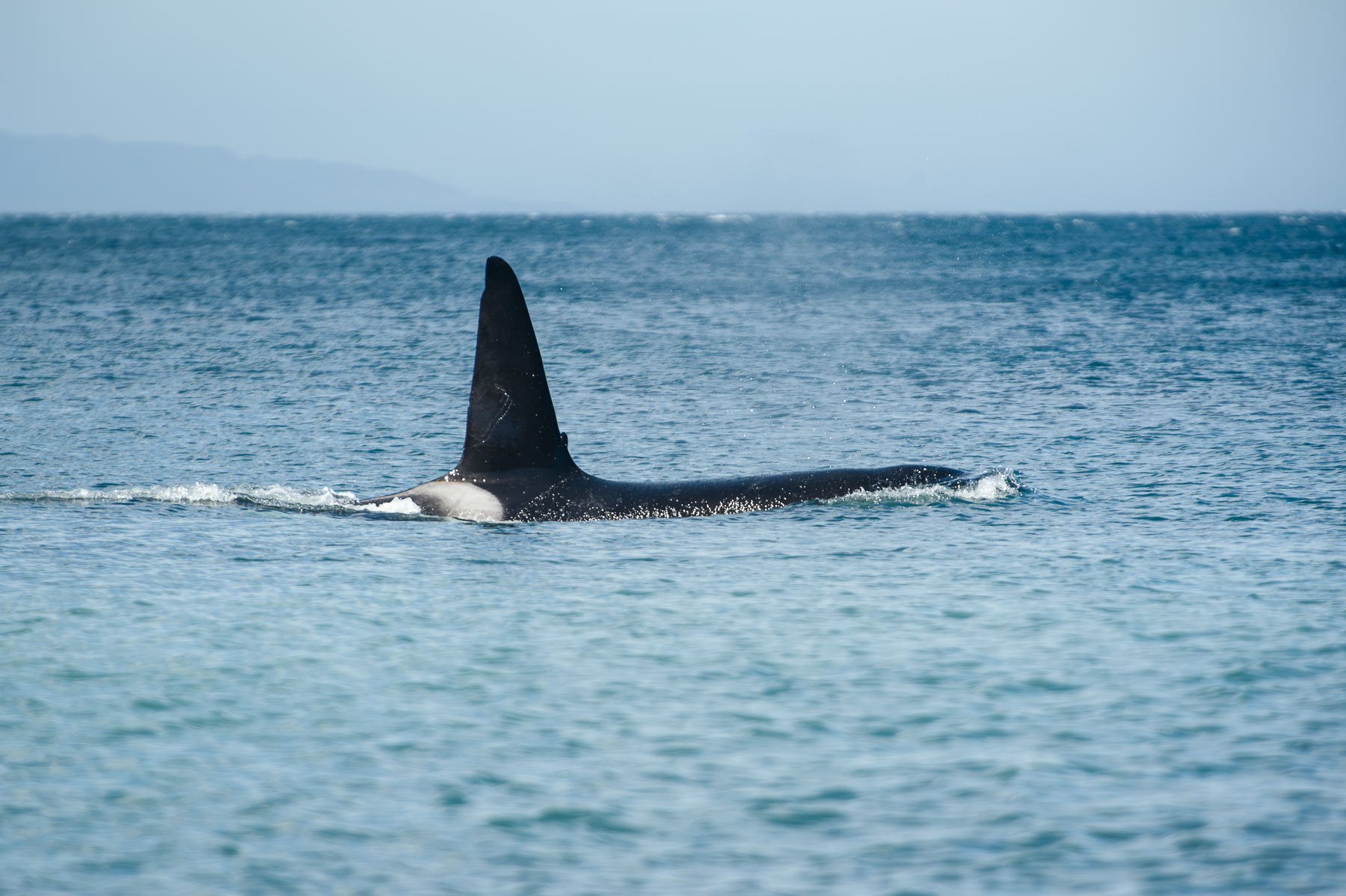
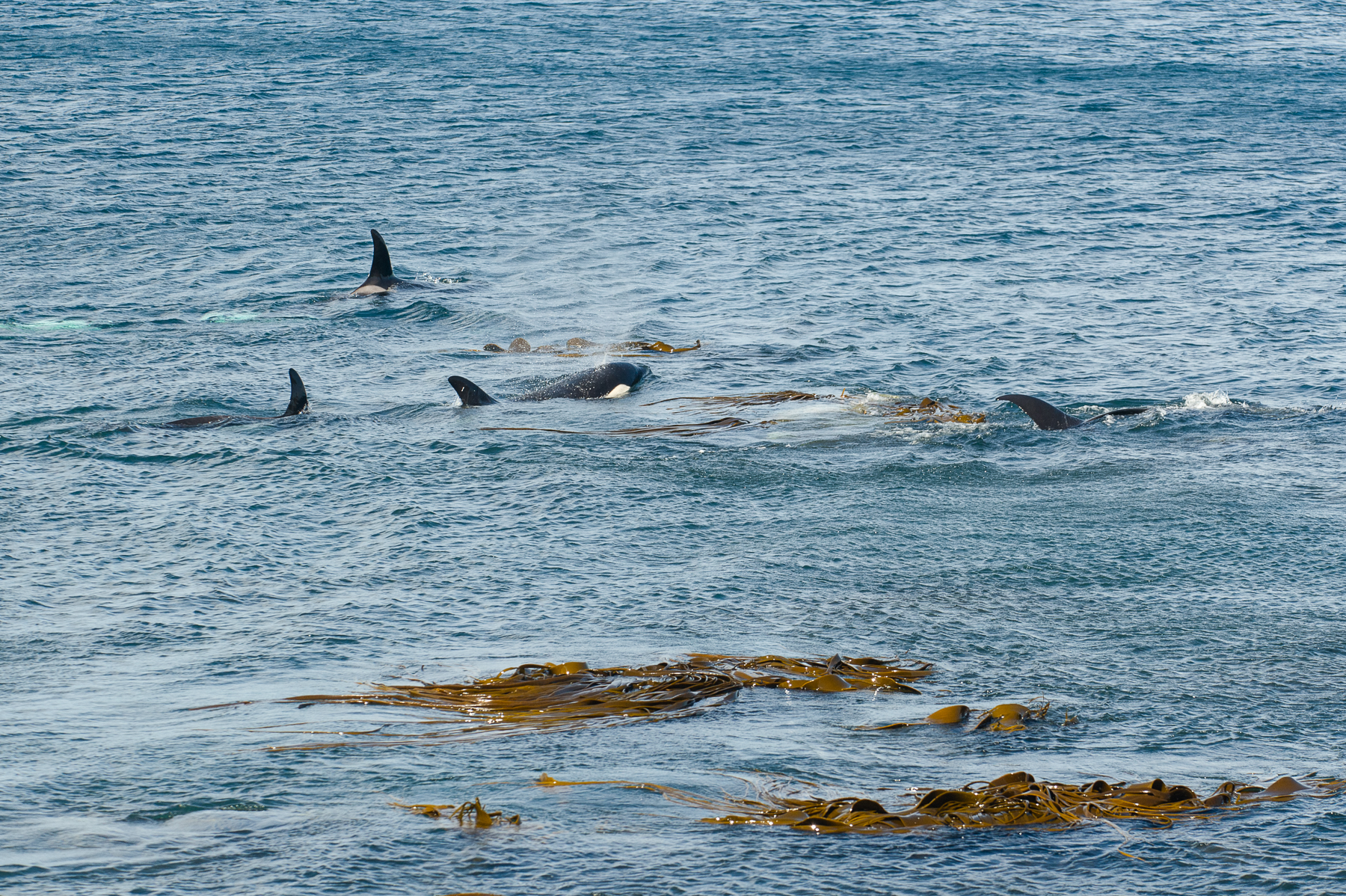
This next group I photographed in March 2010. As they travel along the coast you never know how close they will come to the shore or what behaviour they will display. Often they are fairly sedate, but this time was special as two orcas powered into a rocky inlet towards me, surfing on the whitewater.

Two months later on the 11th May 2010 we had this group which included a small calf. These family groups or pods are usually formed for life and they can have their own unique dialect.
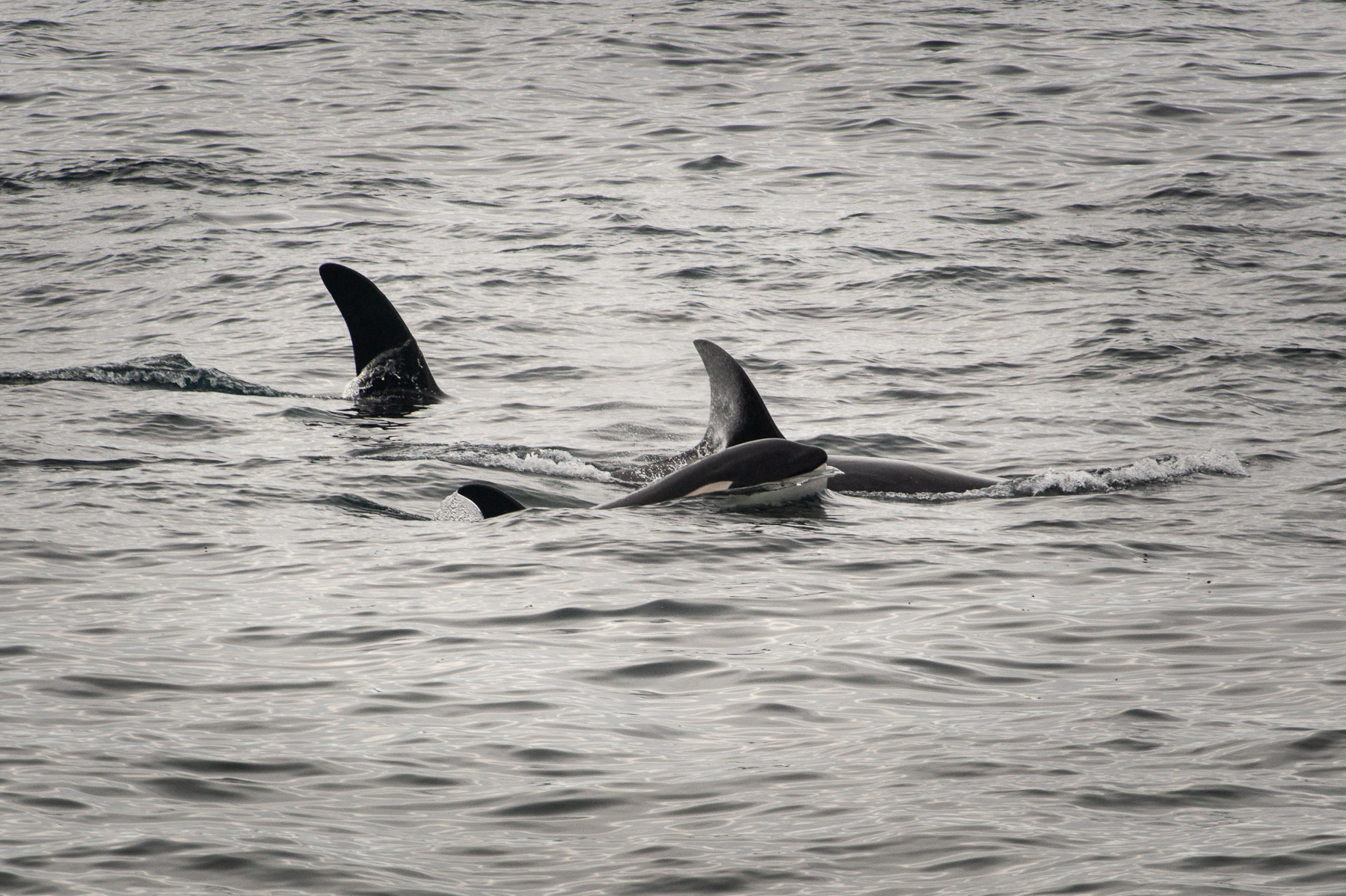
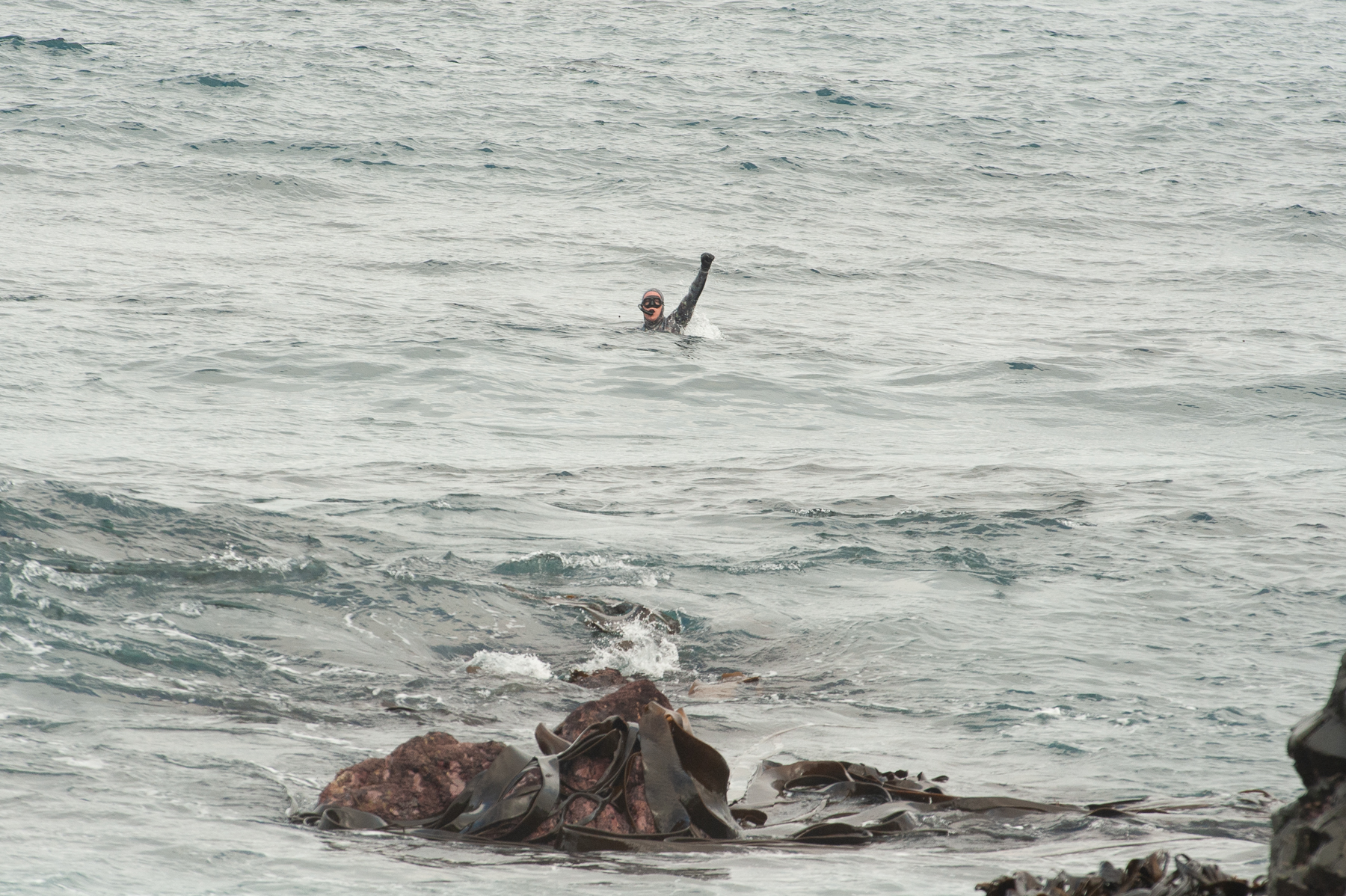
And then just two days later in May we had what I think was a different family group cruise past.
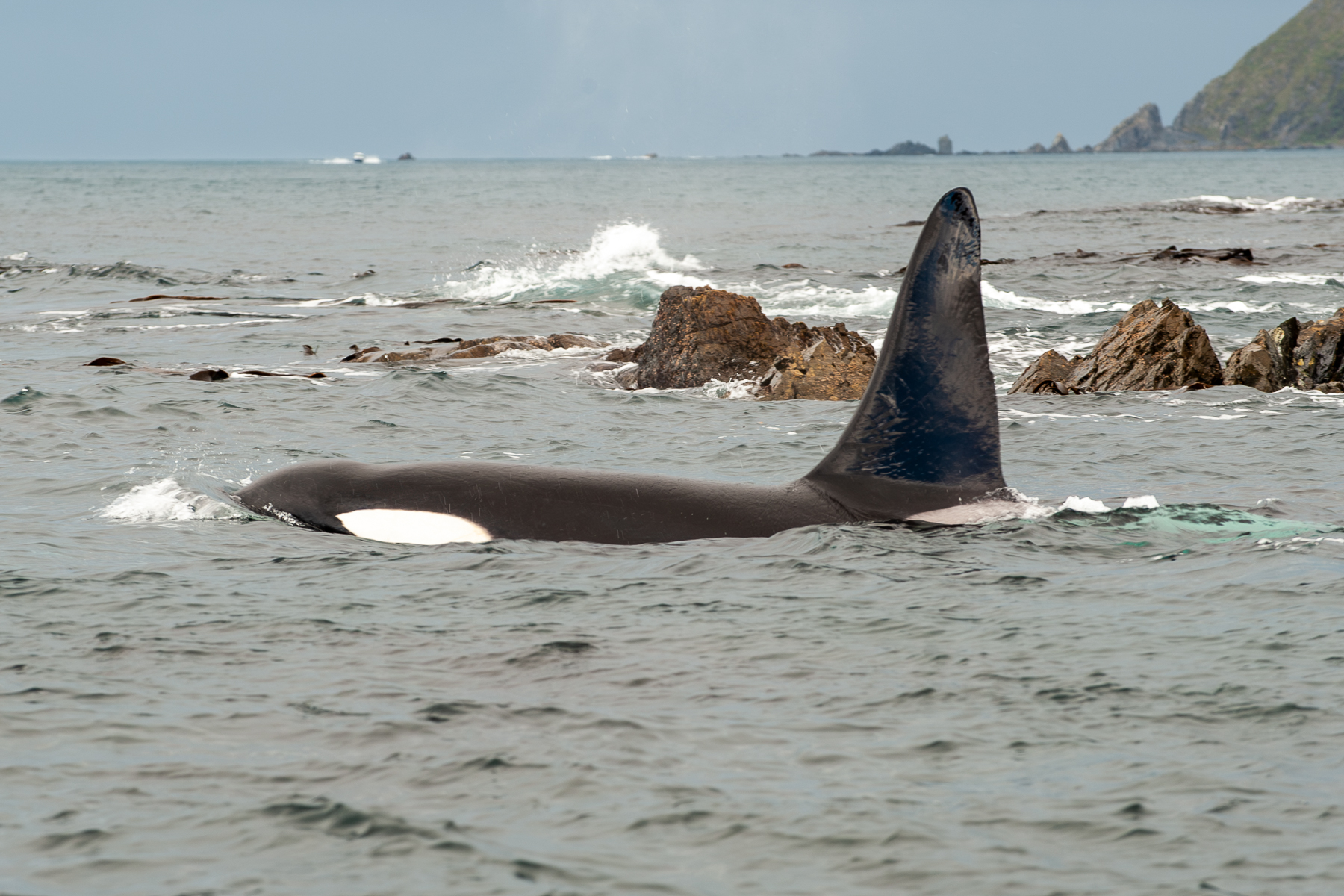

Two years later in March 2013 I was lucky enough to catch this orca breaching. Capturing elusive moments like this when they occur is what keeps this photographic pursuit interesting and addictive.


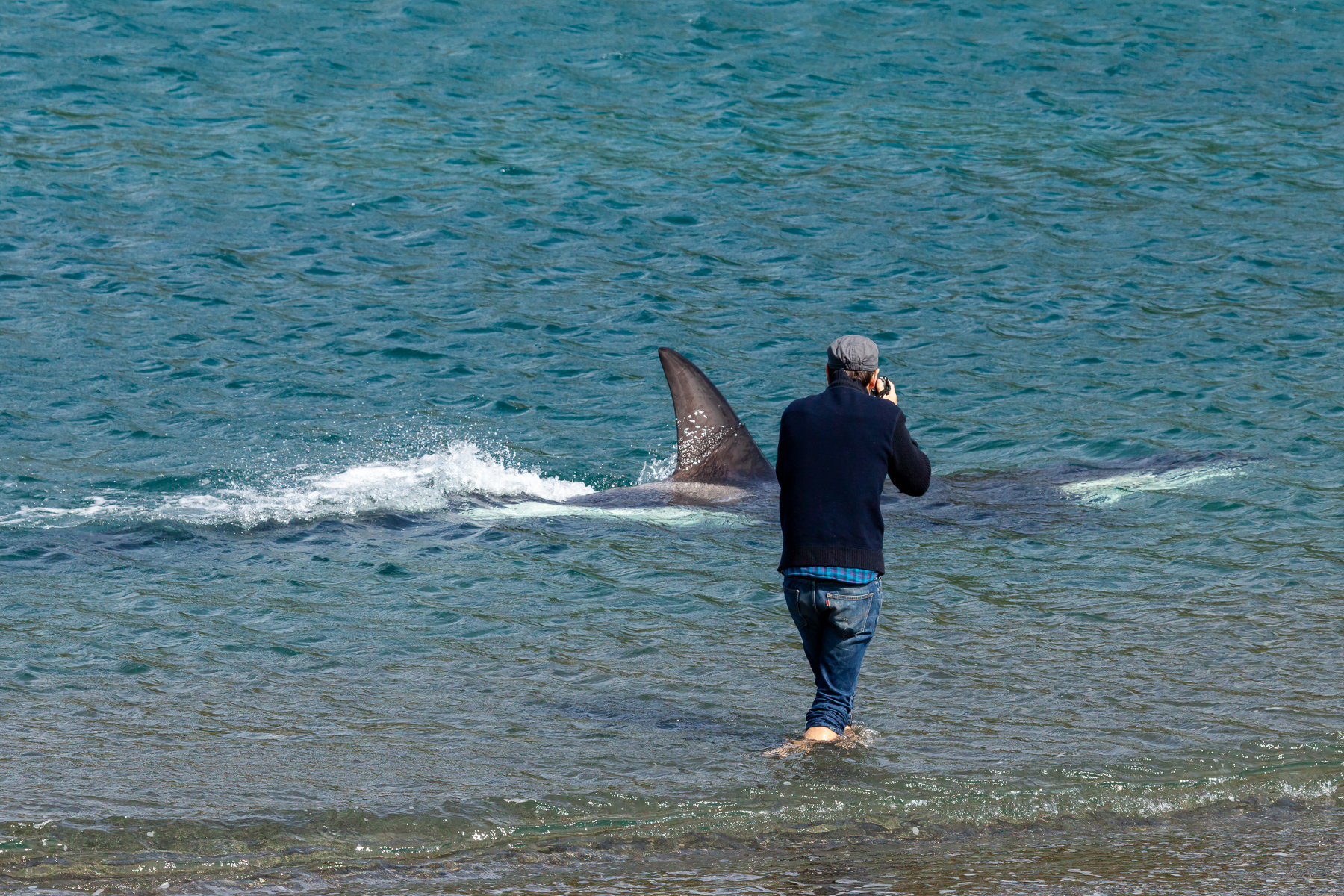
October 2013 was memorable for getting really close to an Orca on Owhiro Bay beach as it cruised past.

The next two photos below were not mine, but taken by Mike White who is a writer and senior journalist- as well as a south coast resident. He captured these great images of me standing in the shallows photographing the scene above.

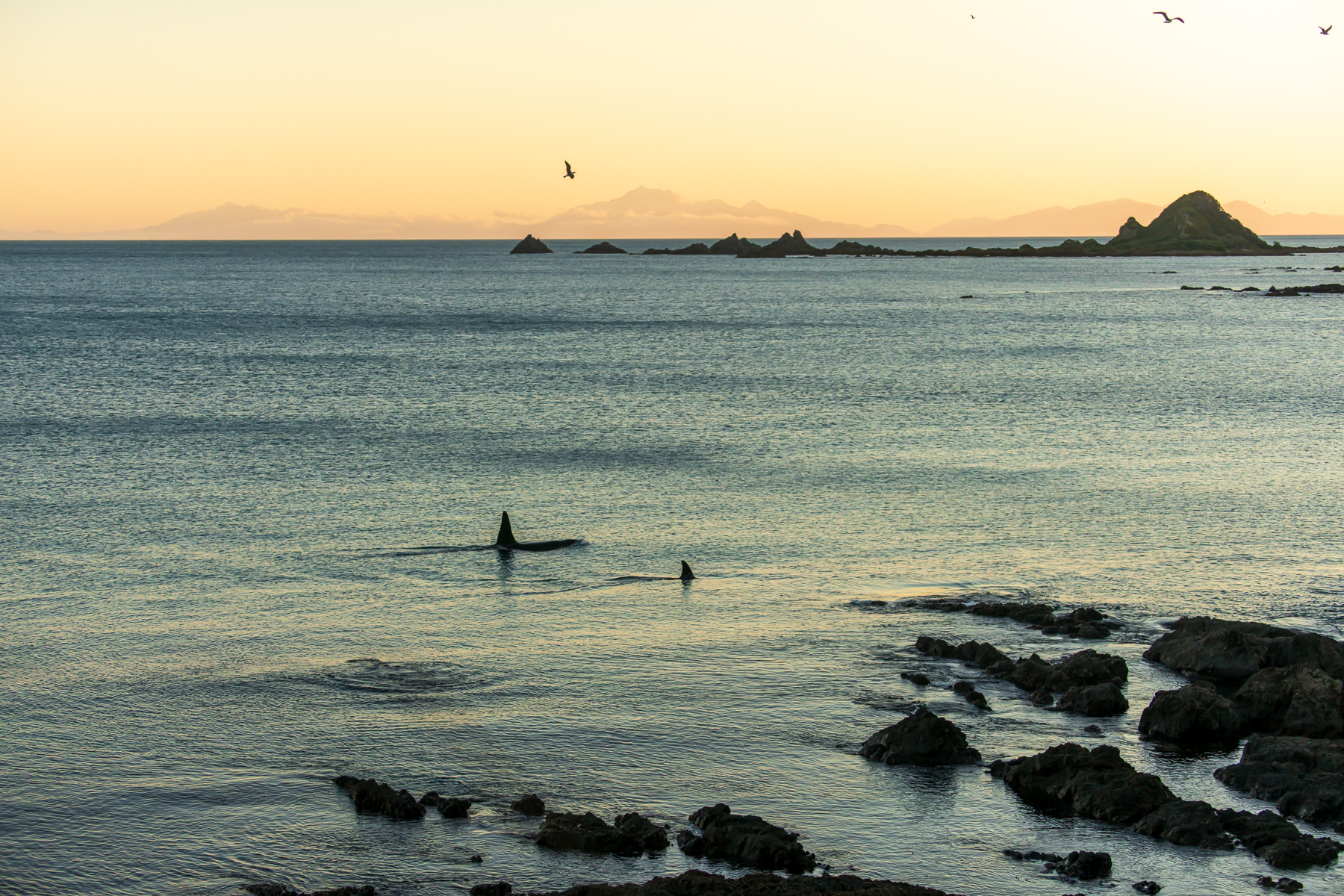
August 2019 saw a late afternoon winter visit just as the sun was setting. These were taken from the eastern side of Houghton Bay looking southwest toward Taputeranga Island and across the Cook Strait to the South Island.

And finally October 2025, these occasional magnificent visitors again pulling the crowds as they meander their way along the coast.


The factual information about orca in this story is from the Department of Conservation website.
If you are interested in spotting orca, whales and dolphins in Wellington yourself- then this Wellington Whale and Dolphin Watch Facebook page is a good place to start.
 Maiden Voyage